
Get trending papers in your email inbox once a day!
Get trending papers in your email inbox!
Subscribe




Enforcing temporal consistency in Deep Learning segmentation of brain MR images
Longitudinal analysis has great potential to reveal developmental trajectories and monitor disease progression in medical imaging. This process relies on consistent and robust joint 4D segmentation. Traditional techniques are dependent on the similarity of images over time and the use of subject-specific priors to reduce random variation and improve the robustness and sensitivity of the overall longitudinal analysis. This is however slow and computationally intensive as subject-specific templates need to be rebuilt every time. The focus of this work to accelerate this analysis with the use of deep learning. The proposed approach is based on deep CNNs and incorporates semantic segmentation and provides a longitudinal relationship for the same subject. The proposed approach is based on deep CNNs and incorporates semantic segmentation and provides a longitudinal relationship for the same subject. The state of art using 3D patches as inputs to modified Unet provides results around {0.91 pm 0.5} Dice and using multi-view atlas in CNNs provide around the same results. In this work, different models are explored, each offers better accuracy and fast results while increasing the segmentation quality. These methods are evaluated on 135 scans from the EADC-ADNI Harmonized Hippocampus Protocol. Proposed CNN based segmentation approaches demonstrate how 2D segmentation using prior slices can provide similar results to 3D segmentation while maintaining good continuity in the 3D dimension and improved speed. Just using 2D modified sagittal slices provide us a better Dice and longitudinal analysis for a given subject. For the ADNI dataset, using the simple UNet CNN technique gives us {0.84 pm 0.5} and while using modified CNN techniques on the same input yields {0.89 pm 0.5}. Rate of atrophy and RMS error are calculated for several test cases using various methods and analyzed.

Simplified Temporal Consistency Reinforcement Learning
Reinforcement learning is able to solve complex sequential decision-making tasks but is currently limited by sample efficiency and required computation. To improve sample efficiency, recent work focuses on model-based RL which interleaves model learning with planning. Recent methods further utilize policy learning, value estimation, and, self-supervised learning as auxiliary objectives. In this paper we show that, surprisingly, a simple representation learning approach relying only on a latent dynamics model trained by latent temporal consistency is sufficient for high-performance RL. This applies when using pure planning with a dynamics model conditioned on the representation, but, also when utilizing the representation as policy and value function features in model-free RL. In experiments, our approach learns an accurate dynamics model to solve challenging high-dimensional locomotion tasks with online planners while being 4.1 times faster to train compared to ensemble-based methods. With model-free RL without planning, especially on high-dimensional tasks, such as the DeepMind Control Suite Humanoid and Dog tasks, our approach outperforms model-free methods by a large margin and matches model-based methods' sample efficiency while training 2.4 times faster.
SV4D 2.0: Enhancing Spatio-Temporal Consistency in Multi-View Video Diffusion for High-Quality 4D Generation
We present Stable Video 4D 2.0 (SV4D 2.0), a multi-view video diffusion model for dynamic 3D asset generation. Compared to its predecessor SV4D, SV4D 2.0 is more robust to occlusions and large motion, generalizes better to real-world videos, and produces higher-quality outputs in terms of detail sharpness and spatio-temporal consistency. We achieve this by introducing key improvements in multiple aspects: 1) network architecture: eliminating the dependency of reference multi-views and designing blending mechanism for 3D and frame attention, 2) data: enhancing quality and quantity of training data, 3) training strategy: adopting progressive 3D-4D training for better generalization, and 4) 4D optimization: handling 3D inconsistency and large motion via 2-stage refinement and progressive frame sampling. Extensive experiments demonstrate significant performance gain by SV4D 2.0 both visually and quantitatively, achieving better detail (-14\% LPIPS) and 4D consistency (-44\% FV4D) in novel-view video synthesis and 4D optimization (-12\% LPIPS and -24\% FV4D) compared to SV4D.
Training-Free Motion-Guided Video Generation with Enhanced Temporal Consistency Using Motion Consistency Loss
In this paper, we address the challenge of generating temporally consistent videos with motion guidance. While many existing methods depend on additional control modules or inference-time fine-tuning, recent studies suggest that effective motion guidance is achievable without altering the model architecture or requiring extra training. Such approaches offer promising compatibility with various video generation foundation models. However, existing training-free methods often struggle to maintain consistent temporal coherence across frames or to follow guided motion accurately. In this work, we propose a simple yet effective solution that combines an initial-noise-based approach with a novel motion consistency loss, the latter being our key innovation. Specifically, we capture the inter-frame feature correlation patterns of intermediate features from a video diffusion model to represent the motion pattern of the reference video. We then design a motion consistency loss to maintain similar feature correlation patterns in the generated video, using the gradient of this loss in the latent space to guide the generation process for precise motion control. This approach improves temporal consistency across various motion control tasks while preserving the benefits of a training-free setup. Extensive experiments show that our method sets a new standard for efficient, temporally coherent video generation.

Source-free Video Domain Adaptation by Learning Temporal Consistency for Action Recognition
Video-based Unsupervised Domain Adaptation (VUDA) methods improve the robustness of video models, enabling them to be applied to action recognition tasks across different environments. However, these methods require constant access to source data during the adaptation process. Yet in many real-world applications, subjects and scenes in the source video domain should be irrelevant to those in the target video domain. With the increasing emphasis on data privacy, such methods that require source data access would raise serious privacy issues. Therefore, to cope with such concern, a more practical domain adaptation scenario is formulated as the Source-Free Video-based Domain Adaptation (SFVDA). Though there are a few methods for Source-Free Domain Adaptation (SFDA) on image data, these methods yield degenerating performance in SFVDA due to the multi-modality nature of videos, with the existence of additional temporal features. In this paper, we propose a novel Attentive Temporal Consistent Network (ATCoN) to address SFVDA by learning temporal consistency, guaranteed by two novel consistency objectives, namely feature consistency and source prediction consistency, performed across local temporal features. ATCoN further constructs effective overall temporal features by attending to local temporal features based on prediction confidence. Empirical results demonstrate the state-of-the-art performance of ATCoN across various cross-domain action recognition benchmarks.
4DGen: Grounded 4D Content Generation with Spatial-temporal Consistency
Aided by text-to-image and text-to-video diffusion models, existing 4D content creation pipelines utilize score distillation sampling to optimize the entire dynamic 3D scene. However, as these pipelines generate 4D content from text or image inputs, they incur significant time and effort in prompt engineering through trial and error. This work introduces 4DGen, a novel, holistic framework for grounded 4D content creation that decomposes the 4D generation task into multiple stages. We identify static 3D assets and monocular video sequences as key components in constructing the 4D content. Our pipeline facilitates conditional 4D generation, enabling users to specify geometry (3D assets) and motion (monocular videos), thus offering superior control over content creation. Furthermore, we construct our 4D representation using dynamic 3D Gaussians, which permits efficient, high-resolution supervision through rendering during training, thereby facilitating high-quality 4D generation. Additionally, we employ spatial-temporal pseudo labels on anchor frames, along with seamless consistency priors implemented through 3D-aware score distillation sampling and smoothness regularizations. Compared to existing baselines, our approach yields competitive results in faithfully reconstructing input signals and realistically inferring renderings from novel viewpoints and timesteps. Most importantly, our method supports grounded generation, offering users enhanced control, a feature difficult to achieve with previous methods. Project page: https://vita-group.github.io/4DGen/

EVE: Efficient zero-shot text-based Video Editing with Depth Map Guidance and Temporal Consistency Constraints
Motivated by the superior performance of image diffusion models, more and more researchers strive to extend these models to the text-based video editing task. Nevertheless, current video editing tasks mainly suffer from the dilemma between the high fine-tuning cost and the limited generation capacity. Compared with images, we conjecture that videos necessitate more constraints to preserve the temporal consistency during editing. Towards this end, we propose EVE, a robust and efficient zero-shot video editing method. Under the guidance of depth maps and temporal consistency constraints, EVE derives satisfactory video editing results with an affordable computational and time cost. Moreover, recognizing the absence of a publicly available video editing dataset for fair comparisons, we construct a new benchmark ZVE-50 dataset. Through comprehensive experimentation, we validate that EVE could achieve a satisfactory trade-off between performance and efficiency. We will release our dataset and codebase to facilitate future researchers.

Free4D: Tuning-free 4D Scene Generation with Spatial-Temporal Consistency
We present Free4D, a novel tuning-free framework for 4D scene generation from a single image. Existing methods either focus on object-level generation, making scene-level generation infeasible, or rely on large-scale multi-view video datasets for expensive training, with limited generalization ability due to the scarcity of 4D scene data. In contrast, our key insight is to distill pre-trained foundation models for consistent 4D scene representation, which offers promising advantages such as efficiency and generalizability. 1) To achieve this, we first animate the input image using image-to-video diffusion models followed by 4D geometric structure initialization. 2) To turn this coarse structure into spatial-temporal consistent multiview videos, we design an adaptive guidance mechanism with a point-guided denoising strategy for spatial consistency and a novel latent replacement strategy for temporal coherence. 3) To lift these generated observations into consistent 4D representation, we propose a modulation-based refinement to mitigate inconsistencies while fully leveraging the generated information. The resulting 4D representation enables real-time, controllable rendering, marking a significant advancement in single-image-based 4D scene generation.




AI Powered High Quality Text to Video Generation with Enhanced Temporal Consistency
Text to video generation has emerged as a critical frontier in generative artificial intelligence, yet existing approaches struggle with maintaining temporal consistency, compositional understanding, and fine grained control over visual narratives. We present MOVAI (Multimodal Original Video AI), a novel hierarchical framework that integrates compositional scene understanding with temporal aware diffusion models for high fidelity text to video synthesis. Our approach introduces three key innovations: (1) a Compositional Scene Parser (CSP) that decomposes textual descriptions into hierarchical scene graphs with temporal annotations, (2) a Temporal-Spatial Attention Mechanism (TSAM) that ensures coherent motion dynamics across frames while preserving spatial details, and (3) a Progressive Video Refinement (PVR) module that iteratively enhances video quality through multi-scale temporal reasoning. Extensive experiments on standard benchmarks demonstrate that MOVAI achieves state-of-the-art performance, improving video quality metrics by 15.3% in LPIPS, 12.7% in FVD, and 18.9% in user preference studies compared to existing methods. Our framework shows particular strength in generating complex multi-object scenes with realistic temporal dynamics and fine-grained semantic control.
StyledStreets: Multi-style Street Simulator with Spatial and Temporal Consistency
Urban scene reconstruction requires modeling both static infrastructure and dynamic elements while supporting diverse environmental conditions. We present StyledStreets, a multi-style street simulator that achieves instruction-driven scene editing with guaranteed spatial and temporal consistency. Building on a state-of-the-art Gaussian Splatting framework for street scenarios enhanced by our proposed pose optimization and multi-view training, our method enables photorealistic style transfers across seasons, weather conditions, and camera setups through three key innovations: First, a hybrid embedding scheme disentangles persistent scene geometry from transient style attributes, allowing realistic environmental edits while preserving structural integrity. Second, uncertainty-aware rendering mitigates supervision noise from diffusion priors, enabling robust training across extreme style variations. Third, a unified parametric model prevents geometric drift through regularized updates, maintaining multi-view consistency across seven vehicle-mounted cameras. Our framework preserves the original scene's motion patterns and geometric relationships. Qualitative results demonstrate plausible transitions between diverse conditions (snow, sandstorm, night), while quantitative evaluations show state-of-the-art geometric accuracy under style transfers. The approach establishes new capabilities for urban simulation, with applications in autonomous vehicle testing and augmented reality systems requiring reliable environmental consistency. Codes will be publicly available upon publication.

JVID: Joint Video-Image Diffusion for Visual-Quality and Temporal-Consistency in Video Generation
We introduce the Joint Video-Image Diffusion model (JVID), a novel approach to generating high-quality and temporally coherent videos. We achieve this by integrating two diffusion models: a Latent Image Diffusion Model (LIDM) trained on images and a Latent Video Diffusion Model (LVDM) trained on video data. Our method combines these models in the reverse diffusion process, where the LIDM enhances image quality and the LVDM ensures temporal consistency. This unique combination allows us to effectively handle the complex spatio-temporal dynamics in video generation. Our results demonstrate quantitative and qualitative improvements in producing realistic and coherent videos.
DiffVSR: Enhancing Real-World Video Super-Resolution with Diffusion Models for Advanced Visual Quality and Temporal Consistency
Diffusion models have demonstrated exceptional capabilities in image generation and restoration, yet their application to video super-resolution faces significant challenges in maintaining both high fidelity and temporal consistency. We present DiffVSR, a diffusion-based framework for real-world video super-resolution that effectively addresses these challenges through key innovations. For intra-sequence coherence, we develop a multi-scale temporal attention module and temporal-enhanced VAE decoder that capture fine-grained motion details. To ensure inter-sequence stability, we introduce a noise rescheduling mechanism with an interweaved latent transition approach, which enhances temporal consistency without additional training overhead. We propose a progressive learning strategy that transitions from simple to complex degradations, enabling robust optimization despite limited high-quality video data. Extensive experiments demonstrate that DiffVSR delivers superior results in both visual quality and temporal consistency, setting a new performance standard in real-world video super-resolution.


DropletVideo: A Dataset and Approach to Explore Integral Spatio-Temporal Consistent Video Generation
Spatio-temporal consistency is a critical research topic in video generation. A qualified generated video segment must ensure plot plausibility and coherence while maintaining visual consistency of objects and scenes across varying viewpoints. Prior research, especially in open-source projects, primarily focuses on either temporal or spatial consistency, or their basic combination, such as appending a description of a camera movement after a prompt without constraining the outcomes of this movement. However, camera movement may introduce new objects to the scene or eliminate existing ones, thereby overlaying and affecting the preceding narrative. Especially in videos with numerous camera movements, the interplay between multiple plots becomes increasingly complex. This paper introduces and examines integral spatio-temporal consistency, considering the synergy between plot progression and camera techniques, and the long-term impact of prior content on subsequent generation. Our research encompasses dataset construction through to the development of the model. Initially, we constructed a DropletVideo-10M dataset, which comprises 10 million videos featuring dynamic camera motion and object actions. Each video is annotated with an average caption of 206 words, detailing various camera movements and plot developments. Following this, we developed and trained the DropletVideo model, which excels in preserving spatio-temporal coherence during video generation. The DropletVideo dataset and model are accessible at https://dropletx.github.io.




Temporal-Consistent Video Restoration with Pre-trained Diffusion Models
Video restoration (VR) aims to recover high-quality videos from degraded ones. Although recent zero-shot VR methods using pre-trained diffusion models (DMs) show good promise, they suffer from approximation errors during reverse diffusion and insufficient temporal consistency. Moreover, dealing with 3D video data, VR is inherently computationally intensive. In this paper, we advocate viewing the reverse process in DMs as a function and present a novel Maximum a Posterior (MAP) framework that directly parameterizes video frames in the seed space of DMs, eliminating approximation errors. We also introduce strategies to promote bilevel temporal consistency: semantic consistency by leveraging clustering structures in the seed space, and pixel-level consistency by progressive warping with optical flow refinements. Extensive experiments on multiple virtual reality tasks demonstrate superior visual quality and temporal consistency achieved by our method compared to the state-of-the-art.
Diffusion4D: Fast Spatial-temporal Consistent 4D Generation via Video Diffusion Models
The availability of large-scale multimodal datasets and advancements in diffusion models have significantly accelerated progress in 4D content generation. Most prior approaches rely on multiple image or video diffusion models, utilizing score distillation sampling for optimization or generating pseudo novel views for direct supervision. However, these methods are hindered by slow optimization speeds and multi-view inconsistency issues. Spatial and temporal consistency in 4D geometry has been extensively explored respectively in 3D-aware diffusion models and traditional monocular video diffusion models. Building on this foundation, we propose a strategy to migrate the temporal consistency in video diffusion models to the spatial-temporal consistency required for 4D generation. Specifically, we present a novel framework, Diffusion4D, for efficient and scalable 4D content generation. Leveraging a meticulously curated dynamic 3D dataset, we develop a 4D-aware video diffusion model capable of synthesizing orbital views of dynamic 3D assets. To control the dynamic strength of these assets, we introduce a 3D-to-4D motion magnitude metric as guidance. Additionally, we propose a novel motion magnitude reconstruction loss and 3D-aware classifier-free guidance to refine the learning and generation of motion dynamics. After obtaining orbital views of the 4D asset, we perform explicit 4D construction with Gaussian splatting in a coarse-to-fine manner. The synthesized multi-view consistent 4D image set enables us to swiftly generate high-fidelity and diverse 4D assets within just several minutes. Extensive experiments demonstrate that our method surpasses prior state-of-the-art techniques in terms of generation efficiency and 4D geometry consistency across various prompt modalities.

STAG4D: Spatial-Temporal Anchored Generative 4D Gaussians
Recent progress in pre-trained diffusion models and 3D generation have spurred interest in 4D content creation. However, achieving high-fidelity 4D generation with spatial-temporal consistency remains a challenge. In this work, we propose STAG4D, a novel framework that combines pre-trained diffusion models with dynamic 3D Gaussian splatting for high-fidelity 4D generation. Drawing inspiration from 3D generation techniques, we utilize a multi-view diffusion model to initialize multi-view images anchoring on the input video frames, where the video can be either real-world captured or generated by a video diffusion model. To ensure the temporal consistency of the multi-view sequence initialization, we introduce a simple yet effective fusion strategy to leverage the first frame as a temporal anchor in the self-attention computation. With the almost consistent multi-view sequences, we then apply the score distillation sampling to optimize the 4D Gaussian point cloud. The 4D Gaussian spatting is specially crafted for the generation task, where an adaptive densification strategy is proposed to mitigate the unstable Gaussian gradient for robust optimization. Notably, the proposed pipeline does not require any pre-training or fine-tuning of diffusion networks, offering a more accessible and practical solution for the 4D generation task. Extensive experiments demonstrate that our method outperforms prior 4D generation works in rendering quality, spatial-temporal consistency, and generation robustness, setting a new state-of-the-art for 4D generation from diverse inputs, including text, image, and video.


STAR: Spatial-Temporal Augmentation with Text-to-Video Models for Real-World Video Super-Resolution
Image diffusion models have been adapted for real-world video super-resolution to tackle over-smoothing issues in GAN-based methods. However, these models struggle to maintain temporal consistency, as they are trained on static images, limiting their ability to capture temporal dynamics effectively. Integrating text-to-video (T2V) models into video super-resolution for improved temporal modeling is straightforward. However, two key challenges remain: artifacts introduced by complex degradations in real-world scenarios, and compromised fidelity due to the strong generative capacity of powerful T2V models (e.g., CogVideoX-5B). To enhance the spatio-temporal quality of restored videos, we introduce~\name (Spatial-Temporal Augmentation with T2V models for Real-world video super-resolution), a novel approach that leverages T2V models for real-world video super-resolution, achieving realistic spatial details and robust temporal consistency. Specifically, we introduce a Local Information Enhancement Module (LIEM) before the global attention block to enrich local details and mitigate degradation artifacts. Moreover, we propose a Dynamic Frequency (DF) Loss to reinforce fidelity, guiding the model to focus on different frequency components across diffusion steps. Extensive experiments demonstrate~\name~outperforms state-of-the-art methods on both synthetic and real-world datasets.


Semantics Meets Temporal Correspondence: Self-supervised Object-centric Learning in Videos
Self-supervised methods have shown remarkable progress in learning high-level semantics and low-level temporal correspondence. Building on these results, we take one step further and explore the possibility of integrating these two features to enhance object-centric representations. Our preliminary experiments indicate that query slot attention can extract different semantic components from the RGB feature map, while random sampling based slot attention can exploit temporal correspondence cues between frames to assist instance identification. Motivated by this, we propose a novel semantic-aware masked slot attention on top of the fused semantic features and correspondence maps. It comprises two slot attention stages with a set of shared learnable Gaussian distributions. In the first stage, we use the mean vectors as slot initialization to decompose potential semantics and generate semantic segmentation masks through iterative attention. In the second stage, for each semantics, we randomly sample slots from the corresponding Gaussian distribution and perform masked feature aggregation within the semantic area to exploit temporal correspondence patterns for instance identification. We adopt semantic- and instance-level temporal consistency as self-supervision to encourage temporally coherent object-centric representations. Our model effectively identifies multiple object instances with semantic structure, reaching promising results on unsupervised video object discovery. Furthermore, we achieve state-of-the-art performance on dense label propagation tasks, demonstrating the potential for object-centric analysis. The code is released at https://github.com/shvdiwnkozbw/SMTC.


Diffuman4D: 4D Consistent Human View Synthesis from Sparse-View Videos with Spatio-Temporal Diffusion Models
This paper addresses the challenge of high-fidelity view synthesis of humans with sparse-view videos as input. Previous methods solve the issue of insufficient observation by leveraging 4D diffusion models to generate videos at novel viewpoints. However, the generated videos from these models often lack spatio-temporal consistency, thus degrading view synthesis quality. In this paper, we propose a novel sliding iterative denoising process to enhance the spatio-temporal consistency of the 4D diffusion model. Specifically, we define a latent grid in which each latent encodes the image, camera pose, and human pose for a certain viewpoint and timestamp, then alternately denoising the latent grid along spatial and temporal dimensions with a sliding window, and finally decode the videos at target viewpoints from the corresponding denoised latents. Through the iterative sliding, information flows sufficiently across the latent grid, allowing the diffusion model to obtain a large receptive field and thus enhance the 4D consistency of the output, while making the GPU memory consumption affordable. The experiments on the DNA-Rendering and ActorsHQ datasets demonstrate that our method is able to synthesize high-quality and consistent novel-view videos and significantly outperforms the existing approaches. See our project page for interactive demos and video results: https://diffuman4d.github.io/ .

Make-An-Audio 2: Temporal-Enhanced Text-to-Audio Generation
Large diffusion models have been successful in text-to-audio (T2A) synthesis tasks, but they often suffer from common issues such as semantic misalignment and poor temporal consistency due to limited natural language understanding and data scarcity. Additionally, 2D spatial structures widely used in T2A works lead to unsatisfactory audio quality when generating variable-length audio samples since they do not adequately prioritize temporal information. To address these challenges, we propose Make-an-Audio 2, a latent diffusion-based T2A method that builds on the success of Make-an-Audio. Our approach includes several techniques to improve semantic alignment and temporal consistency: Firstly, we use pre-trained large language models (LLMs) to parse the text into structured <event & order> pairs for better temporal information capture. We also introduce another structured-text encoder to aid in learning semantic alignment during the diffusion denoising process. To improve the performance of variable length generation and enhance the temporal information extraction, we design a feed-forward Transformer-based diffusion denoiser. Finally, we use LLMs to augment and transform a large amount of audio-label data into audio-text datasets to alleviate the problem of scarcity of temporal data. Extensive experiments show that our method outperforms baseline models in both objective and subjective metrics, and achieves significant gains in temporal information understanding, semantic consistency, and sound quality.


Slicedit: Zero-Shot Video Editing With Text-to-Image Diffusion Models Using Spatio-Temporal Slices
Text-to-image (T2I) diffusion models achieve state-of-the-art results in image synthesis and editing. However, leveraging such pretrained models for video editing is considered a major challenge. Many existing works attempt to enforce temporal consistency in the edited video through explicit correspondence mechanisms, either in pixel space or between deep features. These methods, however, struggle with strong nonrigid motion. In this paper, we introduce a fundamentally different approach, which is based on the observation that spatiotemporal slices of natural videos exhibit similar characteristics to natural images. Thus, the same T2I diffusion model that is normally used only as a prior on video frames, can also serve as a strong prior for enhancing temporal consistency by applying it on spatiotemporal slices. Based on this observation, we present Slicedit, a method for text-based video editing that utilizes a pretrained T2I diffusion model to process both spatial and spatiotemporal slices. Our method generates videos that retain the structure and motion of the original video while adhering to the target text. Through extensive experiments, we demonstrate Slicedit's ability to edit a wide range of real-world videos, confirming its clear advantages compared to existing competing methods. Webpage: https://matankleiner.github.io/slicedit/


MeDM: Mediating Image Diffusion Models for Video-to-Video Translation with Temporal Correspondence Guidance
This study introduces an efficient and effective method, MeDM, that utilizes pre-trained image Diffusion Models for video-to-video translation with consistent temporal flow. The proposed framework can render videos from scene position information, such as a normal G-buffer, or perform text-guided editing on videos captured in real-world scenarios. We employ explicit optical flows to construct a practical coding that enforces physical constraints on generated frames and mediates independent frame-wise scores. By leveraging this coding, maintaining temporal consistency in the generated videos can be framed as an optimization problem with a closed-form solution. To ensure compatibility with Stable Diffusion, we also suggest a workaround for modifying observed-space scores in latent-space Diffusion Models. Notably, MeDM does not require fine-tuning or test-time optimization of the Diffusion Models. Through extensive qualitative, quantitative, and subjective experiments on various benchmarks, the study demonstrates the effectiveness and superiority of the proposed approach. Project page can be found at https://medm2023.github.io
Learning Temporal Coherence via Self-Supervision for GAN-based Video Generation
Our work explores temporal self-supervision for GAN-based video generation tasks. While adversarial training successfully yields generative models for a variety of areas, temporal relationships in the generated data are much less explored. Natural temporal changes are crucial for sequential generation tasks, e.g. video super-resolution and unpaired video translation. For the former, state-of-the-art methods often favor simpler norm losses such as L^2 over adversarial training. However, their averaging nature easily leads to temporally smooth results with an undesirable lack of spatial detail. For unpaired video translation, existing approaches modify the generator networks to form spatio-temporal cycle consistencies. In contrast, we focus on improving learning objectives and propose a temporally self-supervised algorithm. For both tasks, we show that temporal adversarial learning is key to achieving temporally coherent solutions without sacrificing spatial detail. We also propose a novel Ping-Pong loss to improve the long-term temporal consistency. It effectively prevents recurrent networks from accumulating artifacts temporally without depressing detailed features. Additionally, we propose a first set of metrics to quantitatively evaluate the accuracy as well as the perceptual quality of the temporal evolution. A series of user studies confirm the rankings computed with these metrics. Code, data, models, and results are provided at https://github.com/thunil/TecoGAN. The project page https://ge.in.tum.de/publications/2019-tecogan-chu/ contains supplemental materials.

Time Is a Feature: Exploiting Temporal Dynamics in Diffusion Language Models
Diffusion large language models (dLLMs) generate text through iterative denoising, yet current decoding strategies discard rich intermediate predictions in favor of the final output. Our work here reveals a critical phenomenon, temporal oscillation, where correct answers often emerge in the middle process, but are overwritten in later denoising steps. To address this issue, we introduce two complementary methods that exploit temporal consistency: 1) Temporal Self-Consistency Voting, a training-free, test-time decoding strategy that aggregates predictions across denoising steps to select the most consistent output; and 2) a post-training method termed Temporal Consistency Reinforcement, which uses Temporal Semantic Entropy (TSE), a measure of semantic stability across intermediate predictions, as a reward signal to encourage stable generations. Empirical results across multiple benchmarks demonstrate the effectiveness of our approach. Using the negative TSE reward alone, we observe a remarkable average improvement of 24.7% on the Countdown dataset over an existing dLLM. Combined with the accuracy reward, we achieve absolute gains of 2.0% on GSM8K, 4.3% on MATH500, 6.6% on SVAMP, and 25.3% on Countdown, respectively. Our findings underscore the untapped potential of temporal dynamics in dLLMs and offer two simple yet effective tools to harness them.


Edit Temporal-Consistent Videos with Image Diffusion Model
Large-scale text-to-image (T2I) diffusion models have been extended for text-guided video editing, yielding impressive zero-shot video editing performance. Nonetheless, the generated videos usually show spatial irregularities and temporal inconsistencies as the temporal characteristics of videos have not been faithfully modeled. In this paper, we propose an elegant yet effective Temporal-Consistent Video Editing (TCVE) method, to mitigate the temporal inconsistency challenge for robust text-guided video editing. In addition to the utilization of a pretrained 2D Unet for spatial content manipulation, we establish a dedicated temporal Unet architecture to faithfully capture the temporal coherence of the input video sequences. Furthermore, to establish coherence and interrelation between the spatial-focused and temporal-focused components, a cohesive joint spatial-temporal modeling unit is formulated. This unit effectively interconnects the temporal Unet with the pretrained 2D Unet, thereby enhancing the temporal consistency of the generated video output while simultaneously preserving the capacity for video content manipulation. Quantitative experimental results and visualization results demonstrate that TCVE achieves state-of-the-art performance in both video temporal consistency and video editing capability, surpassing existing benchmarks in the field.
Koala-36M: A Large-scale Video Dataset Improving Consistency between Fine-grained Conditions and Video Content
As visual generation technologies continue to advance, the scale of video datasets has expanded rapidly, and the quality of these datasets is critical to the performance of video generation models. We argue that temporal splitting, detailed captions, and video quality filtering are three key factors that determine dataset quality. However, existing datasets exhibit various limitations in these areas. To address these challenges, we introduce Koala-36M, a large-scale, high-quality video dataset featuring accurate temporal splitting, detailed captions, and superior video quality. The core of our approach lies in improving the consistency between fine-grained conditions and video content. Specifically, we employ a linear classifier on probability distributions to enhance the accuracy of transition detection, ensuring better temporal consistency. We then provide structured captions for the splitted videos, with an average length of 200 words, to improve text-video alignment. Additionally, we develop a Video Training Suitability Score (VTSS) that integrates multiple sub-metrics, allowing us to filter high-quality videos from the original corpus. Finally, we incorporate several metrics into the training process of the generation model, further refining the fine-grained conditions. Our experiments demonstrate the effectiveness of our data processing pipeline and the quality of the proposed Koala-36M dataset. Our dataset and code will be released at https://koala36m.github.io/.

VideoLCM: Video Latent Consistency Model
Consistency models have demonstrated powerful capability in efficient image generation and allowed synthesis within a few sampling steps, alleviating the high computational cost in diffusion models. However, the consistency model in the more challenging and resource-consuming video generation is still less explored. In this report, we present the VideoLCM framework to fill this gap, which leverages the concept of consistency models from image generation to efficiently synthesize videos with minimal steps while maintaining high quality. VideoLCM builds upon existing latent video diffusion models and incorporates consistency distillation techniques for training the latent consistency model. Experimental results reveal the effectiveness of our VideoLCM in terms of computational efficiency, fidelity and temporal consistency. Notably, VideoLCM achieves high-fidelity and smooth video synthesis with only four sampling steps, showcasing the potential for real-time synthesis. We hope that VideoLCM can serve as a simple yet effective baseline for subsequent research. The source code and models will be publicly available.


DCM: Dual-Expert Consistency Model for Efficient and High-Quality Video Generation
Diffusion Models have achieved remarkable results in video synthesis but require iterative denoising steps, leading to substantial computational overhead. Consistency Models have made significant progress in accelerating diffusion models. However, directly applying them to video diffusion models often results in severe degradation of temporal consistency and appearance details. In this paper, by analyzing the training dynamics of Consistency Models, we identify a key conflicting learning dynamics during the distillation process: there is a significant discrepancy in the optimization gradients and loss contributions across different timesteps. This discrepancy prevents the distilled student model from achieving an optimal state, leading to compromised temporal consistency and degraded appearance details. To address this issue, we propose a parameter-efficient Dual-Expert Consistency Model~(DCM), where a semantic expert focuses on learning semantic layout and motion, while a detail expert specializes in fine detail refinement. Furthermore, we introduce Temporal Coherence Loss to improve motion consistency for the semantic expert and apply GAN and Feature Matching Loss to enhance the synthesis quality of the detail expert.Our approach achieves state-of-the-art visual quality with significantly reduced sampling steps, demonstrating the effectiveness of expert specialization in video diffusion model distillation. Our code and models are available at https://github.com/Vchitect/DCM{https://github.com/Vchitect/DCM}.

RelightVid: Temporal-Consistent Diffusion Model for Video Relighting
Diffusion models have demonstrated remarkable success in image generation and editing, with recent advancements enabling albedo-preserving image relighting. However, applying these models to video relighting remains challenging due to the lack of paired video relighting datasets and the high demands for output fidelity and temporal consistency, further complicated by the inherent randomness of diffusion models. To address these challenges, we introduce RelightVid, a flexible framework for video relighting that can accept background video, text prompts, or environment maps as relighting conditions. Trained on in-the-wild videos with carefully designed illumination augmentations and rendered videos under extreme dynamic lighting, RelightVid achieves arbitrary video relighting with high temporal consistency without intrinsic decomposition while preserving the illumination priors of its image backbone.



TDRM: Smooth Reward Models with Temporal Difference for LLM RL and Inference
Reward models are central to both reinforcement learning (RL) with language models and inference-time verification. However, existing reward models often lack temporal consistency, leading to ineffective policy updates and unstable RL training. We introduce TDRM, a method for learning smoother and more reliable reward models by minimizing temporal differences (TD) for training-time reinforcement learning and inference-time verification. Experiments show that TD-trained process reward models (PRMs) improve performance across Best-of-N (up to 6.6%) and tree-search (up to 23.7%) settings. When combined with Reinforcement Learning with Verifiable Rewards (RLVR), TD-trained PRMs lead to more data-efficient RL -- achieving comparable performance with just 2.5k data to what baseline methods require 50.1k data to attain -- and yield higher-quality language model policies in 8 model variants (5 series), e.g., Qwen2.5-(0.5B, 1,5B), GLM4-9B-0414, GLM-Z1-9B-0414, Qwen2.5-Math-(1.5B, 7B), and DeepSeek-R1-Distill-Qwen-(1.5B, 7B). We release all code at https://github.com/THUDM/TDRM.
Enhancing Low-Cost Video Editing with Lightweight Adaptors and Temporal-Aware Inversion
Recent advancements in text-to-image (T2I) generation using diffusion models have enabled cost-effective video-editing applications by leveraging pre-trained models, eliminating the need for resource-intensive training. However, the frame-independence of T2I generation often results in poor temporal consistency. Existing methods address this issue through temporal layer fine-tuning or inference-based temporal propagation, but these approaches suffer from high training costs or limited temporal coherence. To address these challenges, we propose a General and Efficient Adapter (GE-Adapter) that integrates temporal-spatial and semantic consistency with Baliteral DDIM inversion. This framework introduces three key components: (1) Frame-based Temporal Consistency Blocks (FTC Blocks) to capture frame-specific features and enforce smooth inter-frame transitions via temporally-aware loss functions; (2) Channel-dependent Spatial Consistency Blocks (SCD Blocks) employing bilateral filters to enhance spatial coherence by reducing noise and artifacts; and (3) Token-based Semantic Consistency Module (TSC Module) to maintain semantic alignment using shared prompt tokens and frame-specific tokens. Our method significantly improves perceptual quality, text-image alignment, and temporal coherence, as demonstrated on the MSR-VTT dataset. Additionally, it achieves enhanced fidelity and frame-to-frame coherence, offering a practical solution for T2V editing.
FastVideoEdit: Leveraging Consistency Models for Efficient Text-to-Video Editing
Diffusion models have demonstrated remarkable capabilities in text-to-image and text-to-video generation, opening up possibilities for video editing based on textual input. However, the computational cost associated with sequential sampling in diffusion models poses challenges for efficient video editing. Existing approaches relying on image generation models for video editing suffer from time-consuming one-shot fine-tuning, additional condition extraction, or DDIM inversion, making real-time applications impractical. In this work, we propose FastVideoEdit, an efficient zero-shot video editing approach inspired by Consistency Models (CMs). By leveraging the self-consistency property of CMs, we eliminate the need for time-consuming inversion or additional condition extraction, reducing editing time. Our method enables direct mapping from source video to target video with strong preservation ability utilizing a special variance schedule. This results in improved speed advantages, as fewer sampling steps can be used while maintaining comparable generation quality. Experimental results validate the state-of-the-art performance and speed advantages of FastVideoEdit across evaluation metrics encompassing editing speed, temporal consistency, and text-video alignment.
Highly Detailed and Temporal Consistent Video Stylization via Synchronized Multi-Frame Diffusion
Text-guided video-to-video stylization transforms the visual appearance of a source video to a different appearance guided on textual prompts. Existing text-guided image diffusion models can be extended for stylized video synthesis. However, they struggle to generate videos with both highly detailed appearance and temporal consistency. In this paper, we propose a synchronized multi-frame diffusion framework to maintain both the visual details and the temporal consistency. Frames are denoised in a synchronous fashion, and more importantly, information of different frames is shared since the beginning of the denoising process. Such information sharing ensures that a consensus, in terms of the overall structure and color distribution, among frames can be reached in the early stage of the denoising process before it is too late. The optical flow from the original video serves as the connection, and hence the venue for information sharing, among frames. We demonstrate the effectiveness of our method in generating high-quality and diverse results in extensive experiments. Our method shows superior qualitative and quantitative results compared to state-of-the-art video editing methods.

Edit-A-Video: Single Video Editing with Object-Aware Consistency
Despite the fact that text-to-video (TTV) model has recently achieved remarkable success, there have been few approaches on TTV for its extension to video editing. Motivated by approaches on TTV models adapting from diffusion-based text-to-image (TTI) models, we suggest the video editing framework given only a pretrained TTI model and a single <text, video> pair, which we term Edit-A-Video. The framework consists of two stages: (1) inflating the 2D model into the 3D model by appending temporal modules and tuning on the source video (2) inverting the source video into the noise and editing with target text prompt and attention map injection. Each stage enables the temporal modeling and preservation of semantic attributes of the source video. One of the key challenges for video editing include a background inconsistency problem, where the regions not included for the edit suffer from undesirable and inconsistent temporal alterations. To mitigate this issue, we also introduce a novel mask blending method, termed as sparse-causal blending (SC Blending). We improve previous mask blending methods to reflect the temporal consistency so that the area where the editing is applied exhibits smooth transition while also achieving spatio-temporal consistency of the unedited regions. We present extensive experimental results over various types of text and videos, and demonstrate the superiority of the proposed method compared to baselines in terms of background consistency, text alignment, and video editing quality.



Progressive Temporal Feature Alignment Network for Video Inpainting
Video inpainting aims to fill spatio-temporal "corrupted" regions with plausible content. To achieve this goal, it is necessary to find correspondences from neighbouring frames to faithfully hallucinate the unknown content. Current methods achieve this goal through attention, flow-based warping, or 3D temporal convolution. However, flow-based warping can create artifacts when optical flow is not accurate, while temporal convolution may suffer from spatial misalignment. We propose 'Progressive Temporal Feature Alignment Network', which progressively enriches features extracted from the current frame with the feature warped from neighbouring frames using optical flow. Our approach corrects the spatial misalignment in the temporal feature propagation stage, greatly improving visual quality and temporal consistency of the inpainted videos. Using the proposed architecture, we achieve state-of-the-art performance on the DAVIS and FVI datasets compared to existing deep learning approaches. Code is available at https://github.com/MaureenZOU/TSAM.
ReST: A Reconfigurable Spatial-Temporal Graph Model for Multi-Camera Multi-Object Tracking
Multi-Camera Multi-Object Tracking (MC-MOT) utilizes information from multiple views to better handle problems with occlusion and crowded scenes. Recently, the use of graph-based approaches to solve tracking problems has become very popular. However, many current graph-based methods do not effectively utilize information regarding spatial and temporal consistency. Instead, they rely on single-camera trackers as input, which are prone to fragmentation and ID switch errors. In this paper, we propose a novel reconfigurable graph model that first associates all detected objects across cameras spatially before reconfiguring it into a temporal graph for Temporal Association. This two-stage association approach enables us to extract robust spatial and temporal-aware features and address the problem with fragmented tracklets. Furthermore, our model is designed for online tracking, making it suitable for real-world applications. Experimental results show that the proposed graph model is able to extract more discriminating features for object tracking, and our model achieves state-of-the-art performance on several public datasets.

Upscale-A-Video: Temporal-Consistent Diffusion Model for Real-World Video Super-Resolution
Text-based diffusion models have exhibited remarkable success in generation and editing, showing great promise for enhancing visual content with their generative prior. However, applying these models to video super-resolution remains challenging due to the high demands for output fidelity and temporal consistency, which is complicated by the inherent randomness in diffusion models. Our study introduces Upscale-A-Video, a text-guided latent diffusion framework for video upscaling. This framework ensures temporal coherence through two key mechanisms: locally, it integrates temporal layers into U-Net and VAE-Decoder, maintaining consistency within short sequences; globally, without training, a flow-guided recurrent latent propagation module is introduced to enhance overall video stability by propagating and fusing latent across the entire sequences. Thanks to the diffusion paradigm, our model also offers greater flexibility by allowing text prompts to guide texture creation and adjustable noise levels to balance restoration and generation, enabling a trade-off between fidelity and quality. Extensive experiments show that Upscale-A-Video surpasses existing methods in both synthetic and real-world benchmarks, as well as in AI-generated videos, showcasing impressive visual realism and temporal consistency.




FRESCO: Spatial-Temporal Correspondence for Zero-Shot Video Translation
The remarkable efficacy of text-to-image diffusion models has motivated extensive exploration of their potential application in video domains. Zero-shot methods seek to extend image diffusion models to videos without necessitating model training. Recent methods mainly focus on incorporating inter-frame correspondence into attention mechanisms. However, the soft constraint imposed on determining where to attend to valid features can sometimes be insufficient, resulting in temporal inconsistency. In this paper, we introduce FRESCO, intra-frame correspondence alongside inter-frame correspondence to establish a more robust spatial-temporal constraint. This enhancement ensures a more consistent transformation of semantically similar content across frames. Beyond mere attention guidance, our approach involves an explicit update of features to achieve high spatial-temporal consistency with the input video, significantly improving the visual coherence of the resulting translated videos. Extensive experiments demonstrate the effectiveness of our proposed framework in producing high-quality, coherent videos, marking a notable improvement over existing zero-shot methods.



GRIP: Generating Interaction Poses Using Latent Consistency and Spatial Cues
Hands are dexterous and highly versatile manipulators that are central to how humans interact with objects and their environment. Consequently, modeling realistic hand-object interactions, including the subtle motion of individual fingers, is critical for applications in computer graphics, computer vision, and mixed reality. Prior work on capturing and modeling humans interacting with objects in 3D focuses on the body and object motion, often ignoring hand pose. In contrast, we introduce GRIP, a learning-based method that takes, as input, the 3D motion of the body and the object, and synthesizes realistic motion for both hands before, during, and after object interaction. As a preliminary step before synthesizing the hand motion, we first use a network, ANet, to denoise the arm motion. Then, we leverage the spatio-temporal relationship between the body and the object to extract two types of novel temporal interaction cues, and use them in a two-stage inference pipeline to generate the hand motion. In the first stage, we introduce a new approach to enforce motion temporal consistency in the latent space (LTC), and generate consistent interaction motions. In the second stage, GRIP generates refined hand poses to avoid hand-object penetrations. Given sequences of noisy body and object motion, GRIP upgrades them to include hand-object interaction. Quantitative experiments and perceptual studies demonstrate that GRIP outperforms baseline methods and generalizes to unseen objects and motions from different motion-capture datasets.
A Video is Worth 256 Bases: Spatial-Temporal Expectation-Maximization Inversion for Zero-Shot Video Editing
This paper presents a video inversion approach for zero-shot video editing, which aims to model the input video with low-rank representation during the inversion process. The existing video editing methods usually apply the typical 2D DDIM inversion or na\"ive spatial-temporal DDIM inversion before editing, which leverages time-varying representation for each frame to derive noisy latent. Unlike most existing approaches, we propose a Spatial-Temporal Expectation-Maximization (STEM) inversion, which formulates the dense video feature under an expectation-maximization manner and iteratively estimates a more compact basis set to represent the whole video. Each frame applies the fixed and global representation for inversion, which is more friendly for temporal consistency during reconstruction and editing. Extensive qualitative and quantitative experiments demonstrate that our STEM inversion can achieve consistent improvement on two state-of-the-art video editing methods.
StyleInV: A Temporal Style Modulated Inversion Network for Unconditional Video Generation
Unconditional video generation is a challenging task that involves synthesizing high-quality videos that are both coherent and of extended duration. To address this challenge, researchers have used pretrained StyleGAN image generators for high-quality frame synthesis and focused on motion generator design. The motion generator is trained in an autoregressive manner using heavy 3D convolutional discriminators to ensure motion coherence during video generation. In this paper, we introduce a novel motion generator design that uses a learning-based inversion network for GAN. The encoder in our method captures rich and smooth priors from encoding images to latents, and given the latent of an initially generated frame as guidance, our method can generate smooth future latent by modulating the inversion encoder temporally. Our method enjoys the advantage of sparse training and naturally constrains the generation space of our motion generator with the inversion network guided by the initial frame, eliminating the need for heavy discriminators. Moreover, our method supports style transfer with simple fine-tuning when the encoder is paired with a pretrained StyleGAN generator. Extensive experiments conducted on various benchmarks demonstrate the superiority of our method in generating long and high-resolution videos with decent single-frame quality and temporal consistency.
ChronoEdit: Towards Temporal Reasoning for Image Editing and World Simulation
Recent advances in large generative models have significantly advanced image editing and in-context image generation, yet a critical gap remains in ensuring physical consistency, where edited objects must remain coherent. This capability is especially vital for world simulation related tasks. In this paper, we present ChronoEdit, a framework that reframes image editing as a video generation problem. First, ChronoEdit treats the input and edited images as the first and last frames of a video, allowing it to leverage large pretrained video generative models that capture not only object appearance but also the implicit physics of motion and interaction through learned temporal consistency. Second, ChronoEdit introduces a temporal reasoning stage that explicitly performs editing at inference time. Under this setting, the target frame is jointly denoised with reasoning tokens to imagine a plausible editing trajectory that constrains the solution space to physically viable transformations. The reasoning tokens are then dropped after a few steps to avoid the high computational cost of rendering a full video. To validate ChronoEdit, we introduce PBench-Edit, a new benchmark of image-prompt pairs for contexts that require physical consistency, and demonstrate that ChronoEdit surpasses state-of-the-art baselines in both visual fidelity and physical plausibility. Code and models for both the 14B and 2B variants of ChronoEdit will be released on the project page: https://research.nvidia.com/labs/toronto-ai/chronoedit

DenseDPO: Fine-Grained Temporal Preference Optimization for Video Diffusion Models
Direct Preference Optimization (DPO) has recently been applied as a post-training technique for text-to-video diffusion models. To obtain training data, annotators are asked to provide preferences between two videos generated from independent noise. However, this approach prohibits fine-grained comparisons, and we point out that it biases the annotators towards low-motion clips as they often contain fewer visual artifacts. In this work, we introduce DenseDPO, a method that addresses these shortcomings by making three contributions. First, we create each video pair for DPO by denoising corrupted copies of a ground truth video. This results in aligned pairs with similar motion structures while differing in local details, effectively neutralizing the motion bias. Second, we leverage the resulting temporal alignment to label preferences on short segments rather than entire clips, yielding a denser and more precise learning signal. With only one-third of the labeled data, DenseDPO greatly improves motion generation over vanilla DPO, while matching it in text alignment, visual quality, and temporal consistency. Finally, we show that DenseDPO unlocks automatic preference annotation using off-the-shelf Vision Language Models (VLMs): GPT accurately predicts segment-level preferences similar to task-specifically fine-tuned video reward models, and DenseDPO trained on these labels achieves performance close to using human labels.




Inflation with Diffusion: Efficient Temporal Adaptation for Text-to-Video Super-Resolution
We propose an efficient diffusion-based text-to-video super-resolution (SR) tuning approach that leverages the readily learned capacity of pixel level image diffusion model to capture spatial information for video generation. To accomplish this goal, we design an efficient architecture by inflating the weightings of the text-to-image SR model into our video generation framework. Additionally, we incorporate a temporal adapter to ensure temporal coherence across video frames. We investigate different tuning approaches based on our inflated architecture and report trade-offs between computational costs and super-resolution quality. Empirical evaluation, both quantitative and qualitative, on the Shutterstock video dataset, demonstrates that our approach is able to perform text-to-video SR generation with good visual quality and temporal consistency. To evaluate temporal coherence, we also present visualizations in video format in https://drive.google.com/drive/folders/1YVc-KMSJqOrEUdQWVaI-Yfu8Vsfu_1aO?usp=sharing .




VideoMolmo: Spatio-Temporal Grounding Meets Pointing
Spatio-temporal localization is vital for precise interactions across diverse domains, from biological research to autonomous navigation and interactive interfaces. Current video-based approaches, while proficient in tracking, lack the sophisticated reasoning capabilities of large language models, limiting their contextual understanding and generalization. We introduce VideoMolmo, a large multimodal model tailored for fine-grained spatio-temporal pointing conditioned on textual descriptions. Building upon the Molmo architecture, VideoMolmo incorporates a temporal module utilizing an attention mechanism to condition each frame on preceding frames, ensuring temporal consistency. Additionally, our novel temporal mask fusion pipeline employs SAM2 for bidirectional point propagation, significantly enhancing coherence across video sequences. This two-step decomposition, i.e., first using the LLM to generate precise pointing coordinates, then relying on a sequential mask-fusion module to produce coherent segmentation, not only simplifies the task for the language model but also enhances interpretability. Due to the lack of suitable datasets, we curate a comprehensive dataset comprising 72k video-caption pairs annotated with 100k object points. To evaluate the generalization of VideoMolmo, we introduce VPoS-Bench, a challenging out-of-distribution benchmark spanning five real-world scenarios: Cell Tracking, Egocentric Vision, Autonomous Driving, Video-GUI Interaction, and Robotics. We also evaluate our model on Referring Video Object Segmentation (Refer-VOS) and Reasoning VOS tasks. In comparison to existing models, VideoMolmo substantially improves spatio-temporal pointing accuracy and reasoning capability. Our code and models are publicly available at https://github.com/mbzuai-oryx/VideoMolmo.



StarPose: 3D Human Pose Estimation via Spatial-Temporal Autoregressive Diffusion
Monocular 3D human pose estimation remains a challenging task due to inherent depth ambiguities and occlusions. Compared to traditional methods based on Transformers or Convolutional Neural Networks (CNNs), recent diffusion-based approaches have shown superior performance, leveraging their probabilistic nature and high-fidelity generation capabilities. However, these methods often fail to account for the spatial and temporal correlations across predicted frames, resulting in limited temporal consistency and inferior accuracy in predicted 3D pose sequences. To address these shortcomings, this paper proposes StarPose, an autoregressive diffusion framework that effectively incorporates historical 3D pose predictions and spatial-temporal physical guidance to significantly enhance both the accuracy and temporal coherence of pose predictions. Unlike existing approaches, StarPose models the 2D-to-3D pose mapping as an autoregressive diffusion process. By synergically integrating previously predicted 3D poses with 2D pose inputs via a Historical Pose Integration Module (HPIM), the framework generates rich and informative historical pose embeddings that guide subsequent denoising steps, ensuring temporally consistent predictions. In addition, a fully plug-and-play Spatial-Temporal Physical Guidance (STPG) mechanism is tailored to refine the denoising process in an iterative manner, which further enforces spatial anatomical plausibility and temporal motion dynamics, rendering robust and realistic pose estimates. Extensive experiments on benchmark datasets demonstrate that StarPose outperforms state-of-the-art methods, achieving superior accuracy and temporal consistency in 3D human pose estimation. Code is available at https://github.com/wileychan/StarPose.
CatV2TON: Taming Diffusion Transformers for Vision-Based Virtual Try-On with Temporal Concatenation
Virtual try-on (VTON) technology has gained attention due to its potential to transform online retail by enabling realistic clothing visualization of images and videos. However, most existing methods struggle to achieve high-quality results across image and video try-on tasks, especially in long video scenarios. In this work, we introduce CatV2TON, a simple and effective vision-based virtual try-on (V2TON) method that supports both image and video try-on tasks with a single diffusion transformer model. By temporally concatenating garment and person inputs and training on a mix of image and video datasets, CatV2TON achieves robust try-on performance across static and dynamic settings. For efficient long-video generation, we propose an overlapping clip-based inference strategy that uses sequential frame guidance and Adaptive Clip Normalization (AdaCN) to maintain temporal consistency with reduced resource demands. We also present ViViD-S, a refined video try-on dataset, achieved by filtering back-facing frames and applying 3D mask smoothing for enhanced temporal consistency. Comprehensive experiments demonstrate that CatV2TON outperforms existing methods in both image and video try-on tasks, offering a versatile and reliable solution for realistic virtual try-ons across diverse scenarios.


DeCo: Decoupled Human-Centered Diffusion Video Editing with Motion Consistency
Diffusion models usher a new era of video editing, flexibly manipulating the video contents with text prompts. Despite the widespread application demand in editing human-centered videos, these models face significant challenges in handling complex objects like humans. In this paper, we introduce DeCo, a novel video editing framework specifically designed to treat humans and the background as separate editable targets, ensuring global spatial-temporal consistency by maintaining the coherence of each individual component. Specifically, we propose a decoupled dynamic human representation that utilizes a parametric human body prior to generate tailored humans while preserving the consistent motions as the original video. In addition, we consider the background as a layered atlas to apply text-guided image editing approaches on it. To further enhance the geometry and texture of humans during the optimization, we extend the calculation of score distillation sampling into normal space and image space. Moreover, we tackle inconsistent lighting between the edited targets by leveraging a lighting-aware video harmonizer, a problem previously overlooked in decompose-edit-combine approaches. Extensive qualitative and numerical experiments demonstrate that DeCo outperforms prior video editing methods in human-centered videos, especially in longer videos.
Fréchet Video Motion Distance: A Metric for Evaluating Motion Consistency in Videos
Significant advancements have been made in video generative models recently. Unlike image generation, video generation presents greater challenges, requiring not only generating high-quality frames but also ensuring temporal consistency across these frames. Despite the impressive progress, research on metrics for evaluating the quality of generated videos, especially concerning temporal and motion consistency, remains underexplored. To bridge this research gap, we propose Fr\'echet Video Motion Distance (FVMD) metric, which focuses on evaluating motion consistency in video generation. Specifically, we design explicit motion features based on key point tracking, and then measure the similarity between these features via the Fr\'echet distance. We conduct sensitivity analysis by injecting noise into real videos to verify the effectiveness of FVMD. Further, we carry out a large-scale human study, demonstrating that our metric effectively detects temporal noise and aligns better with human perceptions of generated video quality than existing metrics. Additionally, our motion features can consistently improve the performance of Video Quality Assessment (VQA) models, indicating that our approach is also applicable to unary video quality evaluation. Code is available at https://github.com/ljh0v0/FMD-frechet-motion-distance.

Unleashing the Potential of Multimodal LLMs for Zero-Shot Spatio-Temporal Video Grounding
Spatio-temporal video grounding (STVG) aims at localizing the spatio-temporal tube of a video, as specified by the input text query. In this paper, we utilize multimodal large language models (MLLMs) to explore a zero-shot solution in STVG. We reveal two key insights about MLLMs: (1) MLLMs tend to dynamically assign special tokens, referred to as grounding tokens, for grounding the text query; and (2) MLLMs often suffer from suboptimal grounding due to the inability to fully integrate the cues in the text query (e.g., attributes, actions) for inference. Based on these insights, we propose a MLLM-based zero-shot framework for STVG, which includes novel decomposed spatio-temporal highlighting (DSTH) and temporal-augmented assembling (TAS) strategies to unleash the reasoning ability of MLLMs. The DSTH strategy first decouples the original query into attribute and action sub-queries for inquiring the existence of the target both spatially and temporally. It then uses a novel logit-guided re-attention (LRA) module to learn latent variables as spatial and temporal prompts, by regularizing token predictions for each sub-query. These prompts highlight attribute and action cues, respectively, directing the model's attention to reliable spatial and temporal related visual regions. In addition, as the spatial grounding by the attribute sub-query should be temporally consistent, we introduce the TAS strategy to assemble the predictions using the original video frames and the temporal-augmented frames as inputs to help improve temporal consistency. We evaluate our method on various MLLMs, and show that it outperforms SOTA methods on three common STVG benchmarks. The code will be available at https://github.com/zaiquanyang/LLaVA_Next_STVG.


ConsistentAvatar: Learning to Diffuse Fully Consistent Talking Head Avatar with Temporal Guidance
Diffusion models have shown impressive potential on talking head generation. While plausible appearance and talking effect are achieved, these methods still suffer from temporal, 3D or expression inconsistency due to the error accumulation and inherent limitation of single-image generation ability. In this paper, we propose ConsistentAvatar, a novel framework for fully consistent and high-fidelity talking avatar generation. Instead of directly employing multi-modal conditions to the diffusion process, our method learns to first model the temporal representation for stability between adjacent frames. Specifically, we propose a Temporally-Sensitive Detail (TSD) map containing high-frequency feature and contours that vary significantly along the time axis. Using a temporal consistent diffusion module, we learn to align TSD of the initial result to that of the video frame ground truth. The final avatar is generated by a fully consistent diffusion module, conditioned on the aligned TSD, rough head normal, and emotion prompt embedding. We find that the aligned TSD, which represents the temporal patterns, constrains the diffusion process to generate temporally stable talking head. Further, its reliable guidance complements the inaccuracy of other conditions, suppressing the accumulated error while improving the consistency on various aspects. Extensive experiments demonstrate that ConsistentAvatar outperforms the state-of-the-art methods on the generated appearance, 3D, expression and temporal consistency. Project page: https://njust-yang.github.io/ConsistentAvatar.github.io/
Free-form Video Inpainting with 3D Gated Convolution and Temporal PatchGAN
Free-form video inpainting is a very challenging task that could be widely used for video editing such as text removal. Existing patch-based methods could not handle non-repetitive structures such as faces, while directly applying image-based inpainting models to videos will result in temporal inconsistency (see http://bit.ly/2Fu1n6b ). In this paper, we introduce a deep learn-ing based free-form video inpainting model, with proposed 3D gated convolutions to tackle the uncertainty of free-form masks and a novel Temporal PatchGAN loss to enhance temporal consistency. In addition, we collect videos and design a free-form mask generation algorithm to build the free-form video inpainting (FVI) dataset for training and evaluation of video inpainting models. We demonstrate the benefits of these components and experiments on both the FaceForensics and our FVI dataset suggest that our method is superior to existing ones. Related source code, full-resolution result videos and the FVI dataset could be found on Github https://github.com/amjltc295/Free-Form-Video-Inpainting .
BF-STVSR: B-Splines and Fourier-Best Friends for High Fidelity Spatial-Temporal Video Super-Resolution
Enhancing low-resolution, low-frame-rate videos to high-resolution, high-frame-rate quality is essential for a seamless user experience, motivating advancements in Continuous Spatial-Temporal Video Super Resolution (C-STVSR). While prior methods employ Implicit Neural Representation (INR) for continuous encoding, they often struggle to capture the complexity of video data, relying on simple coordinate concatenation and pre-trained optical flow network for motion representation. Interestingly, we find that adding position encoding, contrary to common observations, does not improve-and even degrade performance. This issue becomes particularly pronounced when combined with pre-trained optical flow networks, which can limit the model's flexibility. To address these issues, we propose BF-STVSR, a C-STVSR framework with two key modules tailored to better represent spatial and temporal characteristics of video: 1) B-spline Mapper for smooth temporal interpolation, and 2) Fourier Mapper for capturing dominant spatial frequencies. Our approach achieves state-of-the-art PSNR and SSIM performance, showing enhanced spatial details and natural temporal consistency.
Tracktention: Leveraging Point Tracking to Attend Videos Faster and Better
Temporal consistency is critical in video prediction to ensure that outputs are coherent and free of artifacts. Traditional methods, such as temporal attention and 3D convolution, may struggle with significant object motion and may not capture long-range temporal dependencies in dynamic scenes. To address this gap, we propose the Tracktention Layer, a novel architectural component that explicitly integrates motion information using point tracks, i.e., sequences of corresponding points across frames. By incorporating these motion cues, the Tracktention Layer enhances temporal alignment and effectively handles complex object motions, maintaining consistent feature representations over time. Our approach is computationally efficient and can be seamlessly integrated into existing models, such as Vision Transformers, with minimal modification. It can be used to upgrade image-only models to state-of-the-art video ones, sometimes outperforming models natively designed for video prediction. We demonstrate this on video depth prediction and video colorization, where models augmented with the Tracktention Layer exhibit significantly improved temporal consistency compared to baselines.

DynamicStereo: Consistent Dynamic Depth from Stereo Videos
We consider the problem of reconstructing a dynamic scene observed from a stereo camera. Most existing methods for depth from stereo treat different stereo frames independently, leading to temporally inconsistent depth predictions. Temporal consistency is especially important for immersive AR or VR scenarios, where flickering greatly diminishes the user experience. We propose DynamicStereo, a novel transformer-based architecture to estimate disparity for stereo videos. The network learns to pool information from neighboring frames to improve the temporal consistency of its predictions. Our architecture is designed to process stereo videos efficiently through divided attention layers. We also introduce Dynamic Replica, a new benchmark dataset containing synthetic videos of people and animals in scanned environments, which provides complementary training and evaluation data for dynamic stereo closer to real applications than existing datasets. Training with this dataset further improves the quality of predictions of our proposed DynamicStereo as well as prior methods. Finally, it acts as a benchmark for consistent stereo methods.

Motion-Zero: Zero-Shot Moving Object Control Framework for Diffusion-Based Video Generation
Recent large-scale pre-trained diffusion models have demonstrated a powerful generative ability to produce high-quality videos from detailed text descriptions. However, exerting control over the motion of objects in videos generated by any video diffusion model is a challenging problem. In this paper, we propose a novel zero-shot moving object trajectory control framework, Motion-Zero, to enable a bounding-box-trajectories-controlled text-to-video diffusion model. To this end, an initial noise prior module is designed to provide a position-based prior to improve the stability of the appearance of the moving object and the accuracy of position. In addition, based on the attention map of the U-net, spatial constraints are directly applied to the denoising process of diffusion models, which further ensures the positional and spatial consistency of moving objects during the inference. Furthermore, temporal consistency is guaranteed with a proposed shift temporal attention mechanism. Our method can be flexibly applied to various state-of-the-art video diffusion models without any training process. Extensive experiments demonstrate our proposed method can control the motion trajectories of objects and generate high-quality videos.
StereoDiff: Stereo-Diffusion Synergy for Video Depth Estimation
Recent video depth estimation methods achieve great performance by following the paradigm of image depth estimation, i.e., typically fine-tuning pre-trained video diffusion models with massive data. However, we argue that video depth estimation is not a naive extension of image depth estimation. The temporal consistency requirements for dynamic and static regions in videos are fundamentally different. Consistent video depth in static regions, typically backgrounds, can be more effectively achieved via stereo matching across all frames, which provides much stronger global 3D cues. While the consistency for dynamic regions still should be learned from large-scale video depth data to ensure smooth transitions, due to the violation of triangulation constraints. Based on these insights, we introduce StereoDiff, a two-stage video depth estimator that synergizes stereo matching for mainly the static areas with video depth diffusion for maintaining consistent depth transitions in dynamic areas. We mathematically demonstrate how stereo matching and video depth diffusion offer complementary strengths through frequency domain analysis, highlighting the effectiveness of their synergy in capturing the advantages of both. Experimental results on zero-shot, real-world, dynamic video depth benchmarks, both indoor and outdoor, demonstrate StereoDiff's SoTA performance, showcasing its superior consistency and accuracy in video depth estimation.

Live Avatar: Streaming Real-time Audio-Driven Avatar Generation with Infinite Length
Existing diffusion-based video generation methods are fundamentally constrained by sequential computation and long-horizon inconsistency, limiting their practical adoption in real-time, streaming audio-driven avatar synthesis. We present Live Avatar, an algorithm-system co-designed framework that enables efficient, high-fidelity, and infinite-length avatar generation using a 14-billion-parameter diffusion model. Our approach introduces Timestep-forcing Pipeline Parallelism (TPP), a distributed inference paradigm that pipelines denoising steps across multiple GPUs, effectively breaking the autoregressive bottleneck and ensuring stable, low-latency real-time streaming. To further enhance temporal consistency and mitigate identity drift and color artifacts, we propose the Rolling Sink Frame Mechanism (RSFM), which maintains sequence fidelity by dynamically recalibrating appearance using a cached reference image. Additionally, we leverage Self-Forcing Distribution Matching Distillation to facilitate causal, streamable adaptation of large-scale models without sacrificing visual quality. Live Avatar demonstrates state-of-the-art performance, reaching 20 FPS end-to-end generation on 5 H800 GPUs, and, to the best of our knowledge, is the first to achieve practical, real-time, high-fidelity avatar generation at this scale. Our work establishes a new paradigm for deploying advanced diffusion models in industrial long-form video synthesis applications.

Self-Forcing++: Towards Minute-Scale High-Quality Video Generation
Diffusion models have revolutionized image and video generation, achieving unprecedented visual quality. However, their reliance on transformer architectures incurs prohibitively high computational costs, particularly when extending generation to long videos. Recent work has explored autoregressive formulations for long video generation, typically by distilling from short-horizon bidirectional teachers. Nevertheless, given that teacher models cannot synthesize long videos, the extrapolation of student models beyond their training horizon often leads to pronounced quality degradation, arising from the compounding of errors within the continuous latent space. In this paper, we propose a simple yet effective approach to mitigate quality degradation in long-horizon video generation without requiring supervision from long-video teachers or retraining on long video datasets. Our approach centers on exploiting the rich knowledge of teacher models to provide guidance for the student model through sampled segments drawn from self-generated long videos. Our method maintains temporal consistency while scaling video length by up to 20x beyond teacher's capability, avoiding common issues such as over-exposure and error-accumulation without recomputing overlapping frames like previous methods. When scaling up the computation, our method shows the capability of generating videos up to 4 minutes and 15 seconds, equivalent to 99.9% of the maximum span supported by our base model's position embedding and more than 50x longer than that of our baseline model. Experiments on standard benchmarks and our proposed improved benchmark demonstrate that our approach substantially outperforms baseline methods in both fidelity and consistency. Our long-horizon videos demo can be found at https://self-forcing-plus-plus.github.io/

VideoGuide: Improving Video Diffusion Models without Training Through a Teacher's Guide
Text-to-image (T2I) diffusion models have revolutionized visual content creation, but extending these capabilities to text-to-video (T2V) generation remains a challenge, particularly in preserving temporal consistency. Existing methods that aim to improve consistency often cause trade-offs such as reduced imaging quality and impractical computational time. To address these issues we introduce VideoGuide, a novel framework that enhances the temporal consistency of pretrained T2V models without the need for additional training or fine-tuning. Instead, VideoGuide leverages any pretrained video diffusion model (VDM) or itself as a guide during the early stages of inference, improving temporal quality by interpolating the guiding model's denoised samples into the sampling model's denoising process. The proposed method brings about significant improvement in temporal consistency and image fidelity, providing a cost-effective and practical solution that synergizes the strengths of various video diffusion models. Furthermore, we demonstrate prior distillation, revealing that base models can achieve enhanced text coherence by utilizing the superior data prior of the guiding model through the proposed method. Project Page: http://videoguide2025.github.io/



FreeInit: Bridging Initialization Gap in Video Diffusion Models
Though diffusion-based video generation has witnessed rapid progress, the inference results of existing models still exhibit unsatisfactory temporal consistency and unnatural dynamics. In this paper, we delve deep into the noise initialization of video diffusion models, and discover an implicit training-inference gap that attributes to the unsatisfactory inference quality. Our key findings are: 1) the spatial-temporal frequency distribution of the initial latent at inference is intrinsically different from that for training, and 2) the denoising process is significantly influenced by the low-frequency components of the initial noise. Motivated by these observations, we propose a concise yet effective inference sampling strategy, FreeInit, which significantly improves temporal consistency of videos generated by diffusion models. Through iteratively refining the spatial-temporal low-frequency components of the initial latent during inference, FreeInit is able to compensate the initialization gap between training and inference, thus effectively improving the subject appearance and temporal consistency of generation results. Extensive experiments demonstrate that FreeInit consistently enhances the generation results of various text-to-video generation models without additional training.



Fairy: Fast Parallelized Instruction-Guided Video-to-Video Synthesis
In this paper, we introduce Fairy, a minimalist yet robust adaptation of image-editing diffusion models, enhancing them for video editing applications. Our approach centers on the concept of anchor-based cross-frame attention, a mechanism that implicitly propagates diffusion features across frames, ensuring superior temporal coherence and high-fidelity synthesis. Fairy not only addresses limitations of previous models, including memory and processing speed. It also improves temporal consistency through a unique data augmentation strategy. This strategy renders the model equivariant to affine transformations in both source and target images. Remarkably efficient, Fairy generates 120-frame 512x384 videos (4-second duration at 30 FPS) in just 14 seconds, outpacing prior works by at least 44x. A comprehensive user study, involving 1000 generated samples, confirms that our approach delivers superior quality, decisively outperforming established methods.





Mobius: Text to Seamless Looping Video Generation via Latent Shift
We present Mobius, a novel method to generate seamlessly looping videos from text descriptions directly without any user annotations, thereby creating new visual materials for the multi-media presentation. Our method repurposes the pre-trained video latent diffusion model for generating looping videos from text prompts without any training. During inference, we first construct a latent cycle by connecting the starting and ending noise of the videos. Given that the temporal consistency can be maintained by the context of the video diffusion model, we perform multi-frame latent denoising by gradually shifting the first-frame latent to the end in each step. As a result, the denoising context varies in each step while maintaining consistency throughout the inference process. Moreover, the latent cycle in our method can be of any length. This extends our latent-shifting approach to generate seamless looping videos beyond the scope of the video diffusion model's context. Unlike previous cinemagraphs, the proposed method does not require an image as appearance, which will restrict the motions of the generated results. Instead, our method can produce more dynamic motion and better visual quality. We conduct multiple experiments and comparisons to verify the effectiveness of the proposed method, demonstrating its efficacy in different scenarios. All the code will be made available.

MiraData: A Large-Scale Video Dataset with Long Durations and Structured Captions
Sora's high-motion intensity and long consistent videos have significantly impacted the field of video generation, attracting unprecedented attention. However, existing publicly available datasets are inadequate for generating Sora-like videos, as they mainly contain short videos with low motion intensity and brief captions. To address these issues, we propose MiraData, a high-quality video dataset that surpasses previous ones in video duration, caption detail, motion strength, and visual quality. We curate MiraData from diverse, manually selected sources and meticulously process the data to obtain semantically consistent clips. GPT-4V is employed to annotate structured captions, providing detailed descriptions from four different perspectives along with a summarized dense caption. To better assess temporal consistency and motion intensity in video generation, we introduce MiraBench, which enhances existing benchmarks by adding 3D consistency and tracking-based motion strength metrics. MiraBench includes 150 evaluation prompts and 17 metrics covering temporal consistency, motion strength, 3D consistency, visual quality, text-video alignment, and distribution similarity. To demonstrate the utility and effectiveness of MiraData, we conduct experiments using our DiT-based video generation model, MiraDiT. The experimental results on MiraBench demonstrate the superiority of MiraData, especially in motion strength.



Portrait Video Editing Empowered by Multimodal Generative Priors
We introduce PortraitGen, a powerful portrait video editing method that achieves consistent and expressive stylization with multimodal prompts. Traditional portrait video editing methods often struggle with 3D and temporal consistency, and typically lack in rendering quality and efficiency. To address these issues, we lift the portrait video frames to a unified dynamic 3D Gaussian field, which ensures structural and temporal coherence across frames. Furthermore, we design a novel Neural Gaussian Texture mechanism that not only enables sophisticated style editing but also achieves rendering speed over 100FPS. Our approach incorporates multimodal inputs through knowledge distilled from large-scale 2D generative models. Our system also incorporates expression similarity guidance and a face-aware portrait editing module, effectively mitigating degradation issues associated with iterative dataset updates. Extensive experiments demonstrate the temporal consistency, editing efficiency, and superior rendering quality of our method. The broad applicability of the proposed approach is demonstrated through various applications, including text-driven editing, image-driven editing, and relighting, highlighting its great potential to advance the field of video editing. Demo videos and released code are provided in our project page: https://ustc3dv.github.io/PortraitGen/


Cinemo: Consistent and Controllable Image Animation with Motion Diffusion Models
Diffusion models have achieved great progress in image animation due to powerful generative capabilities. However, maintaining spatio-temporal consistency with detailed information from the input static image over time (e.g., style, background, and object of the input static image) and ensuring smoothness in animated video narratives guided by textual prompts still remains challenging. In this paper, we introduce Cinemo, a novel image animation approach towards achieving better motion controllability, as well as stronger temporal consistency and smoothness. In general, we propose three effective strategies at the training and inference stages of Cinemo to accomplish our goal. At the training stage, Cinemo focuses on learning the distribution of motion residuals, rather than directly predicting subsequent via a motion diffusion model. Additionally, a structural similarity index-based strategy is proposed to enable Cinemo to have better controllability of motion intensity. At the inference stage, a noise refinement technique based on discrete cosine transformation is introduced to mitigate sudden motion changes. Such three strategies enable Cinemo to produce highly consistent, smooth, and motion-controllable results. Compared to previous methods, Cinemo offers simpler and more precise user controllability. Extensive experiments against several state-of-the-art methods, including both commercial tools and research approaches, across multiple metrics, demonstrate the effectiveness and superiority of our proposed approach.



VidToMe: Video Token Merging for Zero-Shot Video Editing
Diffusion models have made significant advances in generating high-quality images, but their application to video generation has remained challenging due to the complexity of temporal motion. Zero-shot video editing offers a solution by utilizing pre-trained image diffusion models to translate source videos into new ones. Nevertheless, existing methods struggle to maintain strict temporal consistency and efficient memory consumption. In this work, we propose a novel approach to enhance temporal consistency in generated videos by merging self-attention tokens across frames. By aligning and compressing temporally redundant tokens across frames, our method improves temporal coherence and reduces memory consumption in self-attention computations. The merging strategy matches and aligns tokens according to the temporal correspondence between frames, facilitating natural temporal consistency in generated video frames. To manage the complexity of video processing, we divide videos into chunks and develop intra-chunk local token merging and inter-chunk global token merging, ensuring both short-term video continuity and long-term content consistency. Our video editing approach seamlessly extends the advancements in image editing to video editing, rendering favorable results in temporal consistency over state-of-the-art methods.


In-2-4D: Inbetweening from Two Single-View Images to 4D Generation
We propose a new problem, In-2-4D, for generative 4D (i.e., 3D + motion) inbetweening from a minimalistic input setting: two single-view images capturing an object in two distinct motion states. Given two images representing the start and end states of an object in motion, our goal is to generate and reconstruct the motion in 4D. We utilize a video interpolation model to predict the motion, but large frame-to-frame motions can lead to ambiguous interpretations. To overcome this, we employ a hierarchical approach to identify keyframes that are visually close to the input states and show significant motion, then generate smooth fragments between them. For each fragment, we construct the 3D representation of the keyframe using Gaussian Splatting. The temporal frames within the fragment guide the motion, enabling their transformation into dynamic Gaussians through a deformation field. To improve temporal consistency and refine 3D motion, we expand the self-attention of multi-view diffusion across timesteps and apply rigid transformation regularization. Finally, we merge the independently generated 3D motion segments by interpolating boundary deformation fields and optimizing them to align with the guiding video, ensuring smooth and flicker-free transitions. Through extensive qualitative and quantitiave experiments as well as a user study, we show the effectiveness of our method and its components. The project page is available at https://in-2-4d.github.io/
Consistent4D: Consistent 360° Dynamic Object Generation from Monocular Video
In this paper, we present Consistent4D, a novel approach for generating 4D dynamic objects from uncalibrated monocular videos. Uniquely, we cast the 360-degree dynamic object reconstruction as a 4D generation problem, eliminating the need for tedious multi-view data collection and camera calibration. This is achieved by leveraging the object-level 3D-aware image diffusion model as the primary supervision signal for training Dynamic Neural Radiance Fields (DyNeRF). Specifically, we propose a Cascade DyNeRF to facilitate stable convergence and temporal continuity under the supervision signal which is discrete along the time axis. To achieve spatial and temporal consistency, we further introduce an Interpolation-driven Consistency Loss. It is optimized by minimizing the discrepancy between rendered frames from DyNeRF and interpolated frames from a pre-trained video interpolation model. Extensive experiments show that our Consistent4D can perform competitively to prior art alternatives, opening up new possibilities for 4D dynamic object generation from monocular videos, whilst also demonstrating advantage for conventional text-to-3D generation tasks. Our project page is https://consistent4d.github.io/.

DC-VSR: Spatially and Temporally Consistent Video Super-Resolution with Video Diffusion Prior
Video super-resolution (VSR) aims to reconstruct a high-resolution (HR) video from a low-resolution (LR) counterpart. Achieving successful VSR requires producing realistic HR details and ensuring both spatial and temporal consistency. To restore realistic details, diffusion-based VSR approaches have recently been proposed. However, the inherent randomness of diffusion, combined with their tile-based approach, often leads to spatio-temporal inconsistencies. In this paper, we propose DC-VSR, a novel VSR approach to produce spatially and temporally consistent VSR results with realistic textures. To achieve spatial and temporal consistency, DC-VSR adopts a novel Spatial Attention Propagation (SAP) scheme and a Temporal Attention Propagation (TAP) scheme that propagate information across spatio-temporal tiles based on the self-attention mechanism. To enhance high-frequency details, we also introduce Detail-Suppression Self-Attention Guidance (DSSAG), a novel diffusion guidance scheme. Comprehensive experiments demonstrate that DC-VSR achieves spatially and temporally consistent, high-quality VSR results, outperforming previous approaches.
UniVST: A Unified Framework for Training-free Localized Video Style Transfer
This paper presents UniVST, a unified framework for localized video style transfer based on diffusion models. It operates without the need for training, offering a distinct advantage over existing diffusion methods that transfer style across entire videos. The endeavors of this paper comprise: (1) A point-matching mask propagation strategy that leverages the feature maps from the DDIM inversion. This streamlines the model's architecture by obviating the need for tracking models. (2) A training-free AdaIN-guided localized video stylization mechanism that operates at both the latent and attention levels. This balances content fidelity and style richness, mitigating the loss of localized details commonly associated with direct video stylization. (3) A sliding-window consistent smoothing scheme that harnesses optical flow within the pixel representation and refines predicted noise to update the latent space. This significantly enhances temporal consistency and diminishes artifacts in stylized video. Our proposed UniVST has been validated to be superior to existing methods in quantitative and qualitative metrics. It adeptly addresses the challenges of preserving the primary object's style while ensuring temporal consistency and detail preservation. Our code is available at https://github.com/QuanjianSong/UniVST.

Real-time 3D-aware Portrait Video Relighting
Synthesizing realistic videos of talking faces under custom lighting conditions and viewing angles benefits various downstream applications like video conferencing. However, most existing relighting methods are either time-consuming or unable to adjust the viewpoints. In this paper, we present the first real-time 3D-aware method for relighting in-the-wild videos of talking faces based on Neural Radiance Fields (NeRF). Given an input portrait video, our method can synthesize talking faces under both novel views and novel lighting conditions with a photo-realistic and disentangled 3D representation. Specifically, we infer an albedo tri-plane, as well as a shading tri-plane based on a desired lighting condition for each video frame with fast dual-encoders. We also leverage a temporal consistency network to ensure smooth transitions and reduce flickering artifacts. Our method runs at 32.98 fps on consumer-level hardware and achieves state-of-the-art results in terms of reconstruction quality, lighting error, lighting instability, temporal consistency and inference speed. We demonstrate the effectiveness and interactivity of our method on various portrait videos with diverse lighting and viewing conditions.

Tex4D: Zero-shot 4D Scene Texturing with Video Diffusion Models
3D meshes are widely used in computer vision and graphics for their efficiency in animation and minimal memory use, playing a crucial role in movies, games, AR, and VR. However, creating temporally consistent and realistic textures for mesh sequences remains labor-intensive for professional artists. On the other hand, while video diffusion models excel at text-driven video generation, they often lack 3D geometry awareness and struggle with achieving multi-view consistent texturing for 3D meshes. In this work, we present Tex4D, a zero-shot approach that integrates inherent 3D geometry knowledge from mesh sequences with the expressiveness of video diffusion models to produce multi-view and temporally consistent 4D textures. Given an untextured mesh sequence and a text prompt as inputs, our method enhances multi-view consistency by synchronizing the diffusion process across different views through latent aggregation in the UV space. To ensure temporal consistency, we leverage prior knowledge from a conditional video generation model for texture synthesis. However, straightforwardly combining the video diffusion model and the UV texture aggregation leads to blurry results. We analyze the underlying causes and propose a simple yet effective modification to the DDIM sampling process to address this issue. Additionally, we introduce a reference latent texture to strengthen the correlation between frames during the denoising process. To the best of our knowledge, Tex4D is the first method specifically designed for 4D scene texturing. Extensive experiments demonstrate its superiority in producing multi-view and multi-frame consistent videos based on untextured mesh sequences.
Text2AC-Zero: Consistent Synthesis of Animated Characters using 2D Diffusion
We propose a zero-shot approach for consistent Text-to-Animated-Characters synthesis based on pre-trained Text-to-Image (T2I) diffusion models. Existing Text-to-Video (T2V) methods are expensive to train and require large-scale video datasets to produce diverse characters and motions. At the same time, their zero-shot alternatives fail to produce temporally consistent videos. We strive to bridge this gap, and we introduce a zero-shot approach that produces temporally consistent videos of animated characters and requires no training or fine-tuning. We leverage existing text-based motion diffusion models to generate diverse motions that we utilize to guide a T2I model. To achieve temporal consistency, we introduce the Spatial Latent Alignment module that exploits cross-frame dense correspondences that we compute to align the latents of the video frames. Furthermore, we propose Pixel-Wise Guidance to steer the diffusion process in a direction that minimizes visual discrepancies. Our proposed approach generates temporally consistent videos with diverse motions and styles, outperforming existing zero-shot T2V approaches in terms of pixel-wise consistency and user preference.

Neural Video Depth Stabilizer
Video depth estimation aims to infer temporally consistent depth. Some methods achieve temporal consistency by finetuning a single-image depth model during test time using geometry and re-projection constraints, which is inefficient and not robust. An alternative approach is to learn how to enforce temporal consistency from data, but this requires well-designed models and sufficient video depth data. To address these challenges, we propose a plug-and-play framework called Neural Video Depth Stabilizer (NVDS) that stabilizes inconsistent depth estimations and can be applied to different single-image depth models without extra effort. We also introduce a large-scale dataset, Video Depth in the Wild (VDW), which consists of 14,203 videos with over two million frames, making it the largest natural-scene video depth dataset to our knowledge. We evaluate our method on the VDW dataset as well as two public benchmarks and demonstrate significant improvements in consistency, accuracy, and efficiency compared to previous approaches. Our work serves as a solid baseline and provides a data foundation for learning-based video depth models. We will release our dataset and code for future research.

From Independence to Interaction: Speaker-Aware Simulation of Multi-Speaker Conversational Timing
We present a speaker-aware approach for simulating multi-speaker conversations that captures temporal consistency and realistic turn-taking dynamics. Prior work typically models aggregate conversational statistics under an independence assumption across speakers and turns. In contrast, our method uses speaker-specific deviation distributions enforcing intra-speaker temporal consistency, while a Markov chain governs turn-taking and a fixed room impulse response preserves spatial realism. We also unify pauses and overlaps into a single gap distribution, modeled with kernel density estimation for smooth continuity. Evaluation on Switchboard using intrinsic metrics - global gap statistics, correlations between consecutive gaps, copula-based higher-order dependencies, turn-taking entropy, and gap survival functions - shows that speaker-aware simulation better aligns with real conversational patterns than the baseline method, capturing fine-grained temporal dependencies and realistic speaker alternation, while revealing open challenges in modeling long-range conversational structure.

RoundaboutHD: High-Resolution Real-World Urban Environment Benchmark for Multi-Camera Vehicle Tracking
The multi-camera vehicle tracking (MCVT) framework holds significant potential for smart city applications, including anomaly detection, traffic density estimation, and suspect vehicle tracking. However, current publicly available datasets exhibit limitations, such as overly simplistic scenarios, low-resolution footage, and insufficiently diverse conditions, creating a considerable gap between academic research and real-world scenario. To fill this gap, we introduce RoundaboutHD, a comprehensive, high-resolution multi-camera vehicle tracking benchmark dataset specifically designed to represent real-world roundabout scenarios. RoundaboutHD provides a total of 40 minutes of labelled video footage captured by four non-overlapping, high-resolution (4K resolution, 15 fps) cameras. In total, 512 unique vehicle identities are annotated across different camera views, offering rich cross-camera association data. RoundaboutHD offers temporal consistency video footage and enhanced challenges, including increased occlusions and nonlinear movement inside the roundabout. In addition to the full MCVT dataset, several subsets are also available for object detection, single camera tracking, and image-based vehicle re-identification (ReID) tasks. Vehicle model information and camera modelling/ geometry information are also included to support further analysis. We provide baseline results for vehicle detection, single-camera tracking, image-based vehicle re-identification, and multi-camera tracking. The dataset and the evaluation code are publicly available at: https://github.com/siri-rouser/RoundaboutHD.git
SVDC: Consistent Direct Time-of-Flight Video Depth Completion with Frequency Selective Fusion
Lightweight direct Time-of-Flight (dToF) sensors are ideal for 3D sensing on mobile devices. However, due to the manufacturing constraints of compact devices and the inherent physical principles of imaging, dToF depth maps are sparse and noisy. In this paper, we propose a novel video depth completion method, called SVDC, by fusing the sparse dToF data with the corresponding RGB guidance. Our method employs a multi-frame fusion scheme to mitigate the spatial ambiguity resulting from the sparse dToF imaging. Misalignment between consecutive frames during multi-frame fusion could cause blending between object edges and the background, which results in a loss of detail. To address this, we introduce an adaptive frequency selective fusion (AFSF) module, which automatically selects convolution kernel sizes to fuse multi-frame features. Our AFSF utilizes a channel-spatial enhancement attention (CSEA) module to enhance features and generates an attention map as fusion weights. The AFSF ensures edge detail recovery while suppressing high-frequency noise in smooth regions. To further enhance temporal consistency, We propose a cross-window consistency loss to ensure consistent predictions across different windows, effectively reducing flickering. Our proposed SVDC achieves optimal accuracy and consistency on the TartanAir and Dynamic Replica datasets. Code is available at https://github.com/Lan1eve/SVDC.
Dynamic Try-On: Taming Video Virtual Try-on with Dynamic Attention Mechanism
Video try-on stands as a promising area for its tremendous real-world potential. Previous research on video try-on has primarily focused on transferring product clothing images to videos with simple human poses, while performing poorly with complex movements. To better preserve clothing details, those approaches are armed with an additional garment encoder, resulting in higher computational resource consumption. The primary challenges in this domain are twofold: (1) leveraging the garment encoder's capabilities in video try-on while lowering computational requirements; (2) ensuring temporal consistency in the synthesis of human body parts, especially during rapid movements. To tackle these issues, we propose a novel video try-on framework based on Diffusion Transformer(DiT), named Dynamic Try-On. To reduce computational overhead, we adopt a straightforward approach by utilizing the DiT backbone itself as the garment encoder and employing a dynamic feature fusion module to store and integrate garment features. To ensure temporal consistency of human body parts, we introduce a limb-aware dynamic attention module that enforces the DiT backbone to focus on the regions of human limbs during the denoising process. Extensive experiments demonstrate the superiority of Dynamic Try-On in generating stable and smooth try-on results, even for videos featuring complicated human postures.
Birth and Death of a Rose
We study the problem of generating temporal object intrinsics -- temporally evolving sequences of object geometry, reflectance, and texture, such as a blooming rose -- from pre-trained 2D foundation models. Unlike conventional 3D modeling and animation techniques that require extensive manual effort and expertise, we introduce a method that generates such assets with signals distilled from pre-trained 2D diffusion models. To ensure the temporal consistency of object intrinsics, we propose Neural Templates for temporal-state-guided distillation, derived automatically from image features from self-supervised learning. Our method can generate high-quality temporal object intrinsics for several natural phenomena and enable the sampling and controllable rendering of these dynamic objects from any viewpoint, under any environmental lighting conditions, at any time of their lifespan. Project website: https://chen-geng.com/rose4d

VIRES: Video Instance Repainting with Sketch and Text Guidance
We introduce VIRES, a video instance repainting method with sketch and text guidance, enabling video instance repainting, replacement, generation, and removal. Existing approaches struggle with temporal consistency and accurate alignment with the provided sketch sequence. VIRES leverages the generative priors of text-to-video models to maintain temporal consistency and produce visually pleasing results. We propose the Sequential ControlNet with the standardized self-scaling, which effectively extracts structure layouts and adaptively captures high-contrast sketch details. We further augment the diffusion transformer backbone with the sketch attention to interpret and inject fine-grained sketch semantics. A sketch-aware encoder ensures that repainted results are aligned with the provided sketch sequence. Additionally, we contribute the VireSet, a dataset with detailed annotations tailored for training and evaluating video instance editing methods. Experimental results demonstrate the effectiveness of VIRES, which outperforms state-of-the-art methods in visual quality, temporal consistency, condition alignment, and human ratings. Project page:https://suimuc.github.io/suimu.github.io/projects/VIRES/

Warped Diffusion: Solving Video Inverse Problems with Image Diffusion Models
Using image models naively for solving inverse video problems often suffers from flickering, texture-sticking, and temporal inconsistency in generated videos. To tackle these problems, in this paper, we view frames as continuous functions in the 2D space, and videos as a sequence of continuous warping transformations between different frames. This perspective allows us to train function space diffusion models only on images and utilize them to solve temporally correlated inverse problems. The function space diffusion models need to be equivariant with respect to the underlying spatial transformations. To ensure temporal consistency, we introduce a simple post-hoc test-time guidance towards (self)-equivariant solutions. Our method allows us to deploy state-of-the-art latent diffusion models such as Stable Diffusion XL to solve video inverse problems. We demonstrate the effectiveness of our method for video inpainting and 8times video super-resolution, outperforming existing techniques based on noise transformations. We provide generated video results: https://giannisdaras.github.io/warped_diffusion.github.io/.
MotionAura: Generating High-Quality and Motion Consistent Videos using Discrete Diffusion
The spatio-temporal complexity of video data presents significant challenges in tasks such as compression, generation, and inpainting. We present four key contributions to address the challenges of spatiotemporal video processing. First, we introduce the 3D Mobile Inverted Vector-Quantization Variational Autoencoder (3D-MBQ-VAE), which combines Variational Autoencoders (VAEs) with masked token modeling to enhance spatiotemporal video compression. The model achieves superior temporal consistency and state-of-the-art (SOTA) reconstruction quality by employing a novel training strategy with full frame masking. Second, we present MotionAura, a text-to-video generation framework that utilizes vector-quantized diffusion models to discretize the latent space and capture complex motion dynamics, producing temporally coherent videos aligned with text prompts. Third, we propose a spectral transformer-based denoising network that processes video data in the frequency domain using the Fourier Transform. This method effectively captures global context and long-range dependencies for high-quality video generation and denoising. Lastly, we introduce a downstream task of Sketch Guided Video Inpainting. This task leverages Low-Rank Adaptation (LoRA) for parameter-efficient fine-tuning. Our models achieve SOTA performance on a range of benchmarks. Our work offers robust frameworks for spatiotemporal modeling and user-driven video content manipulation. We will release the code, datasets, and models in open-source.

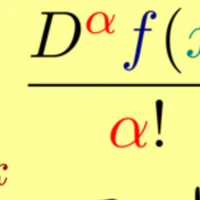
3D StreetUnveiler with Semantic-Aware 2DGS
Unveiling an empty street from crowded observations captured by in-car cameras is crucial for autonomous driving. However, removing all temporarily static objects, such as stopped vehicles and standing pedestrians, presents a significant challenge. Unlike object-centric 3D inpainting, which relies on thorough observation in a small scene, street scene cases involve long trajectories that differ from previous 3D inpainting tasks. The camera-centric moving environment of captured videos further complicates the task due to the limited degree and time duration of object observation. To address these obstacles, we introduce StreetUnveiler to reconstruct an empty street. StreetUnveiler learns a 3D representation of the empty street from crowded observations. Our representation is based on the hard-label semantic 2D Gaussian Splatting (2DGS) for its scalability and ability to identify Gaussians to be removed. We inpaint rendered image after removing unwanted Gaussians to provide pseudo-labels and subsequently re-optimize the 2DGS. Given its temporal continuous movement, we divide the empty street scene into observed, partial-observed, and unobserved regions, which we propose to locate through a rendered alpha map. This decomposition helps us to minimize the regions that need to be inpainted. To enhance the temporal consistency of the inpainting, we introduce a novel time-reversal framework to inpaint frames in reverse order and use later frames as references for earlier frames to fully utilize the long-trajectory observations. Our experiments conducted on the street scene dataset successfully reconstructed a 3D representation of the empty street. The mesh representation of the empty street can be extracted for further applications. The project page and more visualizations can be found at: https://streetunveiler.github.io


ViViD: Video Virtual Try-on using Diffusion Models
Video virtual try-on aims to transfer a clothing item onto the video of a target person. Directly applying the technique of image-based try-on to the video domain in a frame-wise manner will cause temporal-inconsistent outcomes while previous video-based try-on solutions can only generate low visual quality and blurring results. In this work, we present ViViD, a novel framework employing powerful diffusion models to tackle the task of video virtual try-on. Specifically, we design the Garment Encoder to extract fine-grained clothing semantic features, guiding the model to capture garment details and inject them into the target video through the proposed attention feature fusion mechanism. To ensure spatial-temporal consistency, we introduce a lightweight Pose Encoder to encode pose signals, enabling the model to learn the interactions between clothing and human posture and insert hierarchical Temporal Modules into the text-to-image stable diffusion model for more coherent and lifelike video synthesis. Furthermore, we collect a new dataset, which is the largest, with the most diverse types of garments and the highest resolution for the task of video virtual try-on to date. Extensive experiments demonstrate that our approach is able to yield satisfactory video try-on results. The dataset, codes, and weights will be publicly available. Project page: https://becauseimbatman0.github.io/ViViD.
FLAIR: A Conditional Diffusion Framework with Applications to Face Video Restoration
Face video restoration (FVR) is a challenging but important problem where one seeks to recover a perceptually realistic face videos from a low-quality input. While diffusion probabilistic models (DPMs) have been shown to achieve remarkable performance for face image restoration, they often fail to preserve temporally coherent, high-quality videos, compromising the fidelity of reconstructed faces. We present a new conditional diffusion framework called FLAIR for FVR. FLAIR ensures temporal consistency across frames in a computationally efficient fashion by converting a traditional image DPM into a video DPM. The proposed conversion uses a recurrent video refinement layer and a temporal self-attention at different scales. FLAIR also uses a conditional iterative refinement process to balance the perceptual and distortion quality during inference. This process consists of two key components: a data-consistency module that analytically ensures that the generated video precisely matches its degraded observation and a coarse-to-fine image enhancement module specifically for facial regions. Our extensive experiments show superiority of FLAIR over the current state-of-the-art (SOTA) for video super-resolution, deblurring, JPEG restoration, and space-time frame interpolation on two high-quality face video datasets.
Bidirectionally Deformable Motion Modulation For Video-based Human Pose Transfer
Video-based human pose transfer is a video-to-video generation task that animates a plain source human image based on a series of target human poses. Considering the difficulties in transferring highly structural patterns on the garments and discontinuous poses, existing methods often generate unsatisfactory results such as distorted textures and flickering artifacts. To address these issues, we propose a novel Deformable Motion Modulation (DMM) that utilizes geometric kernel offset with adaptive weight modulation to simultaneously perform feature alignment and style transfer. Different from normal style modulation used in style transfer, the proposed modulation mechanism adaptively reconstructs smoothed frames from style codes according to the object shape through an irregular receptive field of view. To enhance the spatio-temporal consistency, we leverage bidirectional propagation to extract the hidden motion information from a warped image sequence generated by noisy poses. The proposed feature propagation significantly enhances the motion prediction ability by forward and backward propagation. Both quantitative and qualitative experimental results demonstrate superiority over the state-of-the-arts in terms of image fidelity and visual continuity. The source code is publicly available at github.com/rocketappslab/bdmm.
LongVie: Multimodal-Guided Controllable Ultra-Long Video Generation
Controllable ultra-long video generation is a fundamental yet challenging task. Although existing methods are effective for short clips, they struggle to scale due to issues such as temporal inconsistency and visual degradation. In this paper, we initially investigate and identify three key factors: separate noise initialization, independent control signal normalization, and the limitations of single-modality guidance. To address these issues, we propose LongVie, an end-to-end autoregressive framework for controllable long video generation. LongVie introduces two core designs to ensure temporal consistency: 1) a unified noise initialization strategy that maintains consistent generation across clips, and 2) global control signal normalization that enforces alignment in the control space throughout the entire video. To mitigate visual degradation, LongVie employs 3) a multi-modal control framework that integrates both dense (e.g., depth maps) and sparse (e.g., keypoints) control signals, complemented by 4) a degradation-aware training strategy that adaptively balances modality contributions over time to preserve visual quality. We also introduce LongVGenBench, a comprehensive benchmark consisting of 100 high-resolution videos spanning diverse real-world and synthetic environments, each lasting over one minute. Extensive experiments show that LongVie achieves state-of-the-art performance in long-range controllability, consistency, and quality.

Video Depth Anything: Consistent Depth Estimation for Super-Long Videos
Depth Anything has achieved remarkable success in monocular depth estimation with strong generalization ability. However, it suffers from temporal inconsistency in videos, hindering its practical applications. Various methods have been proposed to alleviate this issue by leveraging video generation models or introducing priors from optical flow and camera poses. Nonetheless, these methods are only applicable to short videos (< 10 seconds) and require a trade-off between quality and computational efficiency. We propose Video Depth Anything for high-quality, consistent depth estimation in super-long videos (over several minutes) without sacrificing efficiency. We base our model on Depth Anything V2 and replace its head with an efficient spatial-temporal head. We design a straightforward yet effective temporal consistency loss by constraining the temporal depth gradient, eliminating the need for additional geometric priors. The model is trained on a joint dataset of video depth and unlabeled images, similar to Depth Anything V2. Moreover, a novel key-frame-based strategy is developed for long video inference. Experiments show that our model can be applied to arbitrarily long videos without compromising quality, consistency, or generalization ability. Comprehensive evaluations on multiple video benchmarks demonstrate that our approach sets a new state-of-the-art in zero-shot video depth estimation. We offer models of different scales to support a range of scenarios, with our smallest model capable of real-time performance at 30 FPS.




Hi3D: Pursuing High-Resolution Image-to-3D Generation with Video Diffusion Models
Despite having tremendous progress in image-to-3D generation, existing methods still struggle to produce multi-view consistent images with high-resolution textures in detail, especially in the paradigm of 2D diffusion that lacks 3D awareness. In this work, we present High-resolution Image-to-3D model (Hi3D), a new video diffusion based paradigm that redefines a single image to multi-view images as 3D-aware sequential image generation (i.e., orbital video generation). This methodology delves into the underlying temporal consistency knowledge in video diffusion model that generalizes well to geometry consistency across multiple views in 3D generation. Technically, Hi3D first empowers the pre-trained video diffusion model with 3D-aware prior (camera pose condition), yielding multi-view images with low-resolution texture details. A 3D-aware video-to-video refiner is learnt to further scale up the multi-view images with high-resolution texture details. Such high-resolution multi-view images are further augmented with novel views through 3D Gaussian Splatting, which are finally leveraged to obtain high-fidelity meshes via 3D reconstruction. Extensive experiments on both novel view synthesis and single view reconstruction demonstrate that our Hi3D manages to produce superior multi-view consistency images with highly-detailed textures. Source code and data are available at https://github.com/yanghb22-fdu/Hi3D-Official.

FancyVideo: Towards Dynamic and Consistent Video Generation via Cross-frame Textual Guidance
Synthesizing motion-rich and temporally consistent videos remains a challenge in artificial intelligence, especially when dealing with extended durations. Existing text-to-video (T2V) models commonly employ spatial cross-attention for text control, equivalently guiding different frame generations without frame-specific textual guidance. Thus, the model's capacity to comprehend the temporal logic conveyed in prompts and generate videos with coherent motion is restricted. To tackle this limitation, we introduce FancyVideo, an innovative video generator that improves the existing text-control mechanism with the well-designed Cross-frame Textual Guidance Module (CTGM). Specifically, CTGM incorporates the Temporal Information Injector (TII), Temporal Affinity Refiner (TAR), and Temporal Feature Booster (TFB) at the beginning, middle, and end of cross-attention, respectively, to achieve frame-specific textual guidance. Firstly, TII injects frame-specific information from latent features into text conditions, thereby obtaining cross-frame textual conditions. Then, TAR refines the correlation matrix between cross-frame textual conditions and latent features along the time dimension. Lastly, TFB boosts the temporal consistency of latent features. Extensive experiments comprising both quantitative and qualitative evaluations demonstrate the effectiveness of FancyVideo. Our approach achieves state-of-the-art T2V generation results on the EvalCrafter benchmark and facilitates the synthesis of dynamic and consistent videos. The video show results can be available at https://fancyvideo.github.io/, and we will make our code and model weights publicly available.



Video Instance Matting
Conventional video matting outputs one alpha matte for all instances appearing in a video frame so that individual instances are not distinguished. While video instance segmentation provides time-consistent instance masks, results are unsatisfactory for matting applications, especially due to applied binarization. To remedy this deficiency, we propose Video Instance Matting~(VIM), that is, estimating alpha mattes of each instance at each frame of a video sequence. To tackle this challenging problem, we present MSG-VIM, a Mask Sequence Guided Video Instance Matting neural network, as a novel baseline model for VIM. MSG-VIM leverages a mixture of mask augmentations to make predictions robust to inaccurate and inconsistent mask guidance. It incorporates temporal mask and temporal feature guidance to improve the temporal consistency of alpha matte predictions. Furthermore, we build a new benchmark for VIM, called VIM50, which comprises 50 video clips with multiple human instances as foreground objects. To evaluate performances on the VIM task, we introduce a suitable metric called Video Instance-aware Matting Quality~(VIMQ). Our proposed model MSG-VIM sets a strong baseline on the VIM50 benchmark and outperforms existing methods by a large margin. The project is open-sourced at https://github.com/SHI-Labs/VIM.



MagicProp: Diffusion-based Video Editing via Motion-aware Appearance Propagation
This paper addresses the issue of modifying the visual appearance of videos while preserving their motion. A novel framework, named MagicProp, is proposed, which disentangles the video editing process into two stages: appearance editing and motion-aware appearance propagation. In the first stage, MagicProp selects a single frame from the input video and applies image-editing techniques to modify the content and/or style of the frame. The flexibility of these techniques enables the editing of arbitrary regions within the frame. In the second stage, MagicProp employs the edited frame as an appearance reference and generates the remaining frames using an autoregressive rendering approach. To achieve this, a diffusion-based conditional generation model, called PropDPM, is developed, which synthesizes the target frame by conditioning on the reference appearance, the target motion, and its previous appearance. The autoregressive editing approach ensures temporal consistency in the resulting videos. Overall, MagicProp combines the flexibility of image-editing techniques with the superior temporal consistency of autoregressive modeling, enabling flexible editing of object types and aesthetic styles in arbitrary regions of input videos while maintaining good temporal consistency across frames. Extensive experiments in various video editing scenarios demonstrate the effectiveness of MagicProp.



LatentSync: Audio Conditioned Latent Diffusion Models for Lip Sync
We present LatentSync, an end-to-end lip sync framework based on audio conditioned latent diffusion models without any intermediate motion representation, diverging from previous diffusion-based lip sync methods based on pixel space diffusion or two-stage generation. Our framework can leverage the powerful capabilities of Stable Diffusion to directly model complex audio-visual correlations. Additionally, we found that the diffusion-based lip sync methods exhibit inferior temporal consistency due to the inconsistency in the diffusion process across different frames. We propose Temporal REPresentation Alignment (TREPA) to enhance temporal consistency while preserving lip-sync accuracy. TREPA uses temporal representations extracted by large-scale self-supervised video models to align the generated frames with the ground truth frames. Furthermore, we observe the commonly encountered SyncNet convergence issue and conduct comprehensive empirical studies, identifying key factors affecting SyncNet convergence in terms of model architecture, training hyperparameters, and data preprocessing methods. We significantly improve the accuracy of SyncNet from 91% to 94% on the HDTF test set. Since we did not change the overall training framework of SyncNet, our experience can also be applied to other lip sync and audio-driven portrait animation methods that utilize SyncNet. Based on the above innovations, our method outperforms state-of-the-art lip sync methods across various metrics on the HDTF and VoxCeleb2 datasets.
FateZero: Fusing Attentions for Zero-shot Text-based Video Editing
The diffusion-based generative models have achieved remarkable success in text-based image generation. However, since it contains enormous randomness in generation progress, it is still challenging to apply such models for real-world visual content editing, especially in videos. In this paper, we propose FateZero, a zero-shot text-based editing method on real-world videos without per-prompt training or use-specific mask. To edit videos consistently, we propose several techniques based on the pre-trained models. Firstly, in contrast to the straightforward DDIM inversion technique, our approach captures intermediate attention maps during inversion, which effectively retain both structural and motion information. These maps are directly fused in the editing process rather than generated during denoising. To further minimize semantic leakage of the source video, we then fuse self-attentions with a blending mask obtained by cross-attention features from the source prompt. Furthermore, we have implemented a reform of the self-attention mechanism in denoising UNet by introducing spatial-temporal attention to ensure frame consistency. Yet succinct, our method is the first one to show the ability of zero-shot text-driven video style and local attribute editing from the trained text-to-image model. We also have a better zero-shot shape-aware editing ability based on the text-to-video model. Extensive experiments demonstrate our superior temporal consistency and editing capability than previous works.
SplitGaussian: Reconstructing Dynamic Scenes via Visual Geometry Decomposition
Reconstructing dynamic 3D scenes from monocular video remains fundamentally challenging due to the need to jointly infer motion, structure, and appearance from limited observations. Existing dynamic scene reconstruction methods based on Gaussian Splatting often entangle static and dynamic elements in a shared representation, leading to motion leakage, geometric distortions, and temporal flickering. We identify that the root cause lies in the coupled modeling of geometry and appearance across time, which hampers both stability and interpretability. To address this, we propose SplitGaussian, a novel framework that explicitly decomposes scene representations into static and dynamic components. By decoupling motion modeling from background geometry and allowing only the dynamic branch to deform over time, our method prevents motion artifacts in static regions while supporting view- and time-dependent appearance refinement. This disentangled design not only enhances temporal consistency and reconstruction fidelity but also accelerates convergence. Extensive experiments demonstrate that SplitGaussian outperforms prior state-of-the-art methods in rendering quality, geometric stability, and motion separation.
FastInit: Fast Noise Initialization for Temporally Consistent Video Generation
Video generation has made significant strides with the development of diffusion models; however, achieving high temporal consistency remains a challenging task. Recently, FreeInit identified a training-inference gap and introduced a method to iteratively refine the initial noise during inference. However, iterative refinement significantly increases the computational cost associated with video generation. In this paper, we introduce FastInit, a fast noise initialization method that eliminates the need for iterative refinement. FastInit learns a Video Noise Prediction Network (VNPNet) that takes random noise and a text prompt as input, generating refined noise in a single forward pass. Therefore, FastInit greatly enhances the efficiency of video generation while achieving high temporal consistency across frames. To train the VNPNet, we create a large-scale dataset consisting of pairs of text prompts, random noise, and refined noise. Extensive experiments with various text-to-video models show that our method consistently improves the quality and temporal consistency of the generated videos. FastInit not only provides a substantial improvement in video generation but also offers a practical solution that can be applied directly during inference. The code and dataset will be released.
DeepVerse: 4D Autoregressive Video Generation as a World Model
World models serve as essential building blocks toward Artificial General Intelligence (AGI), enabling intelligent agents to predict future states and plan actions by simulating complex physical interactions. However, existing interactive models primarily predict visual observations, thereby neglecting crucial hidden states like geometric structures and spatial coherence. This leads to rapid error accumulation and temporal inconsistency. To address these limitations, we introduce DeepVerse, a novel 4D interactive world model explicitly incorporating geometric predictions from previous timesteps into current predictions conditioned on actions. Experiments demonstrate that by incorporating explicit geometric constraints, DeepVerse captures richer spatio-temporal relationships and underlying physical dynamics. This capability significantly reduces drift and enhances temporal consistency, enabling the model to reliably generate extended future sequences and achieve substantial improvements in prediction accuracy, visual realism, and scene rationality. Furthermore, our method provides an effective solution for geometry-aware memory retrieval, effectively preserving long-term spatial consistency. We validate the effectiveness of DeepVerse across diverse scenarios, establishing its capacity for high-fidelity, long-horizon predictions grounded in geometry-aware dynamics.



SHaDe: Compact and Consistent Dynamic 3D Reconstruction via Tri-Plane Deformation and Latent Diffusion
We present a novel framework for dynamic 3D scene reconstruction that integrates three key components: an explicit tri-plane deformation field, a view-conditioned canonical radiance field with spherical harmonics (SH) attention, and a temporally-aware latent diffusion prior. Our method encodes 4D scenes using three orthogonal 2D feature planes that evolve over time, enabling efficient and compact spatiotemporal representation. These features are explicitly warped into a canonical space via a deformation offset field, eliminating the need for MLP-based motion modeling. In canonical space, we replace traditional MLP decoders with a structured SH-based rendering head that synthesizes view-dependent color via attention over learned frequency bands improving both interpretability and rendering efficiency. To further enhance fidelity and temporal consistency, we introduce a transformer-guided latent diffusion module that refines the tri-plane and deformation features in a compressed latent space. This generative module denoises scene representations under ambiguous or out-of-distribution (OOD) motion, improving generalization. Our model is trained in two stages: the diffusion module is first pre-trained independently, and then fine-tuned jointly with the full pipeline using a combination of image reconstruction, diffusion denoising, and temporal consistency losses. We demonstrate state-of-the-art results on synthetic benchmarks, surpassing recent methods such as HexPlane and 4D Gaussian Splatting in visual quality, temporal coherence, and robustness to sparse-view dynamic inputs.
Evaluation of Text-to-Video Generation Models: A Dynamics Perspective
Comprehensive and constructive evaluation protocols play an important role in the development of sophisticated text-to-video (T2V) generation models. Existing evaluation protocols primarily focus on temporal consistency and content continuity, yet largely ignore the dynamics of video content. Dynamics are an essential dimension for measuring the visual vividness and the honesty of video content to text prompts. In this study, we propose an effective evaluation protocol, termed DEVIL, which centers on the dynamics dimension to evaluate T2V models. For this purpose, we establish a new benchmark comprising text prompts that fully reflect multiple dynamics grades, and define a set of dynamics scores corresponding to various temporal granularities to comprehensively evaluate the dynamics of each generated video. Based on the new benchmark and the dynamics scores, we assess T2V models with the design of three metrics: dynamics range, dynamics controllability, and dynamics-based quality. Experiments show that DEVIL achieves a Pearson correlation exceeding 90% with human ratings, demonstrating its potential to advance T2V generation models. Code is available at https://github.com/MingXiangL/DEVIL.
LatentWarp: Consistent Diffusion Latents for Zero-Shot Video-to-Video Translation
Leveraging the generative ability of image diffusion models offers great potential for zero-shot video-to-video translation. The key lies in how to maintain temporal consistency across generated video frames by image diffusion models. Previous methods typically adopt cross-frame attention, i.e., sharing the key and value tokens across attentions of different frames, to encourage the temporal consistency. However, in those works, temporal inconsistency issue may not be thoroughly solved, rendering the fidelity of generated videos limited.%The current state of the art cross-frame attention method aims at maintaining fine-grained visual details across frames, but it is still challenged by the temporal coherence problem. In this paper, we find the bottleneck lies in the unconstrained query tokens and propose a new zero-shot video-to-video translation framework, named LatentWarp. Our approach is simple: to constrain the query tokens to be temporally consistent, we further incorporate a warping operation in the latent space to constrain the query tokens. Specifically, based on the optical flow obtained from the original video, we warp the generated latent features of last frame to align with the current frame during the denoising process. As a result, the corresponding regions across the adjacent frames can share closely-related query tokens and attention outputs, which can further improve latent-level consistency to enhance visual temporal coherence of generated videos. Extensive experiment results demonstrate the superiority of LatentWarp in achieving video-to-video translation with temporal coherence.

HunyuanPortrait: Implicit Condition Control for Enhanced Portrait Animation
We introduce HunyuanPortrait, a diffusion-based condition control method that employs implicit representations for highly controllable and lifelike portrait animation. Given a single portrait image as an appearance reference and video clips as driving templates, HunyuanPortrait can animate the character in the reference image by the facial expression and head pose of the driving videos. In our framework, we utilize pre-trained encoders to achieve the decoupling of portrait motion information and identity in videos. To do so, implicit representation is adopted to encode motion information and is employed as control signals in the animation phase. By leveraging the power of stable video diffusion as the main building block, we carefully design adapter layers to inject control signals into the denoising unet through attention mechanisms. These bring spatial richness of details and temporal consistency. HunyuanPortrait also exhibits strong generalization performance, which can effectively disentangle appearance and motion under different image styles. Our framework outperforms existing methods, demonstrating superior temporal consistency and controllability. Our project is available at https://kkakkkka.github.io/HunyuanPortrait.





Rerender A Video: Zero-Shot Text-Guided Video-to-Video Translation
Large text-to-image diffusion models have exhibited impressive proficiency in generating high-quality images. However, when applying these models to video domain, ensuring temporal consistency across video frames remains a formidable challenge. This paper proposes a novel zero-shot text-guided video-to-video translation framework to adapt image models to videos. The framework includes two parts: key frame translation and full video translation. The first part uses an adapted diffusion model to generate key frames, with hierarchical cross-frame constraints applied to enforce coherence in shapes, textures and colors. The second part propagates the key frames to other frames with temporal-aware patch matching and frame blending. Our framework achieves global style and local texture temporal consistency at a low cost (without re-training or optimization). The adaptation is compatible with existing image diffusion techniques, allowing our framework to take advantage of them, such as customizing a specific subject with LoRA, and introducing extra spatial guidance with ControlNet. Extensive experimental results demonstrate the effectiveness of our proposed framework over existing methods in rendering high-quality and temporally-coherent videos.
Ctrl-Adapter: An Efficient and Versatile Framework for Adapting Diverse Controls to Any Diffusion Model
ControlNets are widely used for adding spatial control in image generation with different conditions, such as depth maps, canny edges, and human poses. However, there are several challenges when leveraging the pretrained image ControlNets for controlled video generation. First, pretrained ControlNet cannot be directly plugged into new backbone models due to the mismatch of feature spaces, and the cost of training ControlNets for new backbones is a big burden. Second, ControlNet features for different frames might not effectively handle the temporal consistency. To address these challenges, we introduce Ctrl-Adapter, an efficient and versatile framework that adds diverse controls to any image/video diffusion models, by adapting pretrained ControlNets (and improving temporal alignment for videos). Ctrl-Adapter provides diverse capabilities including image control, video control, video control with sparse frames, multi-condition control, compatibility with different backbones, adaptation to unseen control conditions, and video editing. In Ctrl-Adapter, we train adapter layers that fuse pretrained ControlNet features to different image/video diffusion models, while keeping the parameters of the ControlNets and the diffusion models frozen. Ctrl-Adapter consists of temporal and spatial modules so that it can effectively handle the temporal consistency of videos. We also propose latent skipping and inverse timestep sampling for robust adaptation and sparse control. Moreover, Ctrl-Adapter enables control from multiple conditions by simply taking the (weighted) average of ControlNet outputs. With diverse image/video diffusion backbones (SDXL, Hotshot-XL, I2VGen-XL, and SVD), Ctrl-Adapter matches ControlNet for image control and outperforms all baselines for video control (achieving the SOTA accuracy on the DAVIS 2017 dataset) with significantly lower computational costs (less than 10 GPU hours).



DiffuEraser: A Diffusion Model for Video Inpainting
Recent video inpainting algorithms integrate flow-based pixel propagation with transformer-based generation to leverage optical flow for restoring textures and objects using information from neighboring frames, while completing masked regions through visual Transformers. However, these approaches often encounter blurring and temporal inconsistencies when dealing with large masks, highlighting the need for models with enhanced generative capabilities. Recently, diffusion models have emerged as a prominent technique in image and video generation due to their impressive performance. In this paper, we introduce DiffuEraser, a video inpainting model based on stable diffusion, designed to fill masked regions with greater details and more coherent structures. We incorporate prior information to provide initialization and weak conditioning,which helps mitigate noisy artifacts and suppress hallucinations. Additionally, to improve temporal consistency during long-sequence inference, we expand the temporal receptive fields of both the prior model and DiffuEraser, and further enhance consistency by leveraging the temporal smoothing property of Video Diffusion Models. Experimental results demonstrate that our proposed method outperforms state-of-the-art techniques in both content completeness and temporal consistency while maintaining acceptable efficiency.


Ouroboros-Diffusion: Exploring Consistent Content Generation in Tuning-free Long Video Diffusion
The first-in-first-out (FIFO) video diffusion, built on a pre-trained text-to-video model, has recently emerged as an effective approach for tuning-free long video generation. This technique maintains a queue of video frames with progressively increasing noise, continuously producing clean frames at the queue's head while Gaussian noise is enqueued at the tail. However, FIFO-Diffusion often struggles to keep long-range temporal consistency in the generated videos due to the lack of correspondence modeling across frames. In this paper, we propose Ouroboros-Diffusion, a novel video denoising framework designed to enhance structural and content (subject) consistency, enabling the generation of consistent videos of arbitrary length. Specifically, we introduce a new latent sampling technique at the queue tail to improve structural consistency, ensuring perceptually smooth transitions among frames. To enhance subject consistency, we devise a Subject-Aware Cross-Frame Attention (SACFA) mechanism, which aligns subjects across frames within short segments to achieve better visual coherence. Furthermore, we introduce self-recurrent guidance. This technique leverages information from all previous cleaner frames at the front of the queue to guide the denoising of noisier frames at the end, fostering rich and contextual global information interaction. Extensive experiments of long video generation on the VBench benchmark demonstrate the superiority of our Ouroboros-Diffusion, particularly in terms of subject consistency, motion smoothness, and temporal consistency.


VideoGigaGAN: Towards Detail-rich Video Super-Resolution
Video super-resolution (VSR) approaches have shown impressive temporal consistency in upsampled videos. However, these approaches tend to generate blurrier results than their image counterparts as they are limited in their generative capability. This raises a fundamental question: can we extend the success of a generative image upsampler to the VSR task while preserving the temporal consistency? We introduce VideoGigaGAN, a new generative VSR model that can produce videos with high-frequency details and temporal consistency. VideoGigaGAN builds upon a large-scale image upsampler -- GigaGAN. Simply inflating GigaGAN to a video model by adding temporal modules produces severe temporal flickering. We identify several key issues and propose techniques that significantly improve the temporal consistency of upsampled videos. Our experiments show that, unlike previous VSR methods, VideoGigaGAN generates temporally consistent videos with more fine-grained appearance details. We validate the effectiveness of VideoGigaGAN by comparing it with state-of-the-art VSR models on public datasets and showcasing video results with 8times super-resolution.
StereoCrafter-Zero: Zero-Shot Stereo Video Generation with Noisy Restart
Generating high-quality stereo videos that mimic human binocular vision requires maintaining consistent depth perception and temporal coherence across frames. While diffusion models have advanced image and video synthesis, generating high-quality stereo videos remains challenging due to the difficulty of maintaining consistent temporal and spatial coherence between left and right views. We introduce StereoCrafter-Zero, a novel framework for zero-shot stereo video generation that leverages video diffusion priors without the need for paired training data. Key innovations include a noisy restart strategy to initialize stereo-aware latents and an iterative refinement process that progressively harmonizes the latent space, addressing issues like temporal flickering and view inconsistencies. Comprehensive evaluations, including quantitative metrics and user studies, demonstrate that StereoCrafter-Zero produces high-quality stereo videos with improved depth consistency and temporal smoothness, even when depth estimations are imperfect. Our framework is robust and adaptable across various diffusion models, setting a new benchmark for zero-shot stereo video generation and enabling more immersive visual experiences. Our code can be found in~https://github.com/shijianjian/StereoCrafter-Zero.
DIVE: Taming DINO for Subject-Driven Video Editing
Building on the success of diffusion models in image generation and editing, video editing has recently gained substantial attention. However, maintaining temporal consistency and motion alignment still remains challenging. To address these issues, this paper proposes DINO-guided Video Editing (DIVE), a framework designed to facilitate subject-driven editing in source videos conditioned on either target text prompts or reference images with specific identities. The core of DIVE lies in leveraging the powerful semantic features extracted from a pretrained DINOv2 model as implicit correspondences to guide the editing process. Specifically, to ensure temporal motion consistency, DIVE employs DINO features to align with the motion trajectory of the source video. Extensive experiments on diverse real-world videos demonstrate that our framework can achieve high-quality editing results with robust motion consistency, highlighting the potential of DINO to contribute to video editing. For precise subject editing, DIVE incorporates the DINO features of reference images into a pretrained text-to-image model to learn Low-Rank Adaptations (LoRAs), effectively registering the target subject's identity. Project page: https://dino-video-editing.github.io
Blended Latent Diffusion under Attention Control for Real-World Video Editing
Due to lack of fully publicly available text-to-video models, current video editing methods tend to build on pre-trained text-to-image generation models, however, they still face grand challenges in dealing with the local editing of video with temporal information. First, although existing methods attempt to focus on local area editing by a pre-defined mask, the preservation of the outside-area background is non-ideal due to the spatially entire generation of each frame. In addition, specially providing a mask by user is an additional costly undertaking, so an autonomous masking strategy integrated into the editing process is desirable. Last but not least, image-level pretrained model hasn't learned temporal information across frames of a video which is vital for expressing the motion and dynamics. In this paper, we propose to adapt a image-level blended latent diffusion model to perform local video editing tasks. Specifically, we leverage DDIM inversion to acquire the latents as background latents instead of the randomly noised ones to better preserve the background information of the input video. We further introduce an autonomous mask manufacture mechanism derived from cross-attention maps in diffusion steps. Finally, we enhance the temporal consistency across video frames by transforming the self-attention blocks of U-Net into temporal-spatial blocks. Through extensive experiments, our proposed approach demonstrates effectiveness in different real-world video editing tasks.
BlazeBVD: Make Scale-Time Equalization Great Again for Blind Video Deflickering
Developing blind video deflickering (BVD) algorithms to enhance video temporal consistency, is gaining importance amid the flourish of image processing and video generation. However, the intricate nature of video data complicates the training of deep learning methods, leading to high resource consumption and instability, notably under severe lighting flicker. This underscores the critical need for a compact representation beyond pixel values to advance BVD research and applications. Inspired by the classic scale-time equalization (STE), our work introduces the histogram-assisted solution, called BlazeBVD, for high-fidelity and rapid BVD. Compared with STE, which directly corrects pixel values by temporally smoothing color histograms, BlazeBVD leverages smoothed illumination histograms within STE filtering to ease the challenge of learning temporal data using neural networks. In technique, BlazeBVD begins by condensing pixel values into illumination histograms that precisely capture flickering and local exposure variations. These histograms are then smoothed to produce singular frames set, filtered illumination maps, and exposure maps. Resorting to these deflickering priors, BlazeBVD utilizes a 2D network to restore faithful and consistent texture impacted by lighting changes or localized exposure issues. BlazeBVD also incorporates a lightweight 3D network to amend slight temporal inconsistencies, avoiding the resource consumption issue. Comprehensive experiments on synthetic, real-world and generated videos, showcase the superior qualitative and quantitative results of BlazeBVD, achieving inference speeds up to 10x faster than state-of-the-arts.
Lester: rotoscope animation through video object segmentation and tracking
This article introduces Lester, a novel method to automatically synthetise retro-style 2D animations from videos. The method approaches the challenge mainly as an object segmentation and tracking problem. Video frames are processed with the Segment Anything Model (SAM) and the resulting masks are tracked through subsequent frames with DeAOT, a method of hierarchical propagation for semi-supervised video object segmentation. The geometry of the masks' contours is simplified with the Douglas-Peucker algorithm. Finally, facial traits, pixelation and a basic shadow effect can be optionally added. The results show that the method exhibits an excellent temporal consistency and can correctly process videos with different poses and appearances, dynamic shots, partial shots and diverse backgrounds. The proposed method provides a more simple and deterministic approach than diffusion models based video-to-video translation pipelines, which suffer from temporal consistency problems and do not cope well with pixelated and schematic outputs. The method is also much most practical than techniques based on 3D human pose estimation, which require custom handcrafted 3D models and are very limited with respect to the type of scenes they can process.
AVID: Any-Length Video Inpainting with Diffusion Model
Recent advances in diffusion models have successfully enabled text-guided image inpainting. While it seems straightforward to extend such editing capability into video domain, there has been fewer works regarding text-guided video inpainting. Given a video, a masked region at its initial frame, and an editing prompt, it requires a model to do infilling at each frame following the editing guidance while keeping the out-of-mask region intact. There are three main challenges in text-guided video inpainting: (i) temporal consistency of the edited video, (ii) supporting different inpainting types at different structural fidelity level, and (iii) dealing with variable video length. To address these challenges, we introduce Any-Length Video Inpainting with Diffusion Model, dubbed as AVID. At its core, our model is equipped with effective motion modules and adjustable structure guidance, for fixed-length video inpainting. Building on top of that, we propose a novel Temporal MultiDiffusion sampling pipeline with an middle-frame attention guidance mechanism, facilitating the generation of videos with any desired duration. Our comprehensive experiments show our model can robustly deal with various inpainting types at different video duration range, with high quality. More visualization results is made publicly available at https://zhang-zx.github.io/AVID/ .

Enhancing Perceptual Quality in Video Super-Resolution through Temporally-Consistent Detail Synthesis using Diffusion Models
In this paper, we address the problem of enhancing perceptual quality in video super-resolution (VSR) using Diffusion Models (DMs) while ensuring temporal consistency among frames. We present StableVSR, a VSR method based on DMs that can significantly enhance the perceptual quality of upscaled videos by synthesizing realistic and temporally-consistent details. We introduce the Temporal Conditioning Module (TCM) into a pre-trained DM for single image super-resolution to turn it into a VSR method. TCM uses the novel Temporal Texture Guidance, which provides it with spatially-aligned and detail-rich texture information synthesized in adjacent frames. This guides the generative process of the current frame toward high-quality and temporally-consistent results. In addition, we introduce the novel Frame-wise Bidirectional Sampling strategy to encourage the use of information from past to future and vice-versa. This strategy improves the perceptual quality of the results and the temporal consistency across frames. We demonstrate the effectiveness of StableVSR in enhancing the perceptual quality of upscaled videos while achieving better temporal consistency compared to existing state-of-the-art methods for VSR. The project page is available at https://github.com/claudiom4sir/StableVSR.
Decouple Content and Motion for Conditional Image-to-Video Generation
The goal of conditional image-to-video (cI2V) generation is to create a believable new video by beginning with the condition, i.e., one image and text.The previous cI2V generation methods conventionally perform in RGB pixel space, with limitations in modeling motion consistency and visual continuity. Additionally, the efficiency of generating videos in pixel space is quite low.In this paper, we propose a novel approach to address these challenges by disentangling the target RGB pixels into two distinct components: spatial content and temporal motions. Specifically, we predict temporal motions which include motion vector and residual based on a 3D-UNet diffusion model. By explicitly modeling temporal motions and warping them to the starting image, we improve the temporal consistency of generated videos. This results in a reduction of spatial redundancy, emphasizing temporal details. Our proposed method achieves performance improvements by disentangling content and motion, all without introducing new structural complexities to the model. Extensive experiments on various datasets confirm our approach's superior performance over the majority of state-of-the-art methods in both effectiveness and efficiency.

Video Face Re-Aging: Toward Temporally Consistent Face Re-Aging
Video face re-aging deals with altering the apparent age of a person to the target age in videos. This problem is challenging due to the lack of paired video datasets maintaining temporal consistency in identity and age. Most re-aging methods process each image individually without considering the temporal consistency of videos. While some existing works address the issue of temporal coherence through video facial attribute manipulation in latent space, they often fail to deliver satisfactory performance in age transformation. To tackle the issues, we propose (1) a novel synthetic video dataset that features subjects across a diverse range of age groups; (2) a baseline architecture designed to validate the effectiveness of our proposed dataset, and (3) the development of three novel metrics tailored explicitly for evaluating the temporal consistency of video re-aging techniques. Our comprehensive experiments on public datasets, such as VFHQ and CelebV-HQ, show that our method outperforms the existing approaches in terms of both age transformation and temporal consistency.

Fuse Your Latents: Video Editing with Multi-source Latent Diffusion Models
Latent Diffusion Models (LDMs) are renowned for their powerful capabilities in image and video synthesis. Yet, video editing methods suffer from insufficient pre-training data or video-by-video re-training cost. In addressing this gap, we propose FLDM (Fused Latent Diffusion Model), a training-free framework to achieve text-guided video editing by applying off-the-shelf image editing methods in video LDMs. Specifically, FLDM fuses latents from an image LDM and an video LDM during the denoising process. In this way, temporal consistency can be kept with video LDM while high-fidelity from the image LDM can also be exploited. Meanwhile, FLDM possesses high flexibility since both image LDM and video LDM can be replaced so advanced image editing methods such as InstructPix2Pix and ControlNet can be exploited. To the best of our knowledge, FLDM is the first method to adapt off-the-shelf image editing methods into video LDMs for video editing. Extensive quantitative and qualitative experiments demonstrate that FLDM can improve the textual alignment and temporal consistency of edited videos.
Learning Music-Dance Representations through Explicit-Implicit Rhythm Synchronization
Although audio-visual representation has been proved to be applicable in many downstream tasks, the representation of dancing videos, which is more specific and always accompanied by music with complex auditory contents, remains challenging and uninvestigated. Considering the intrinsic alignment between the cadent movement of dancer and music rhythm, we introduce MuDaR, a novel Music-Dance Representation learning framework to perform the synchronization of music and dance rhythms both in explicit and implicit ways. Specifically, we derive the dance rhythms based on visual appearance and motion cues inspired by the music rhythm analysis. Then the visual rhythms are temporally aligned with the music counterparts, which are extracted by the amplitude of sound intensity. Meanwhile, we exploit the implicit coherence of rhythms implied in audio and visual streams by contrastive learning. The model learns the joint embedding by predicting the temporal consistency between audio-visual pairs. The music-dance representation, together with the capability of detecting audio and visual rhythms, can further be applied to three downstream tasks: (a) dance classification, (b) music-dance retrieval, and (c) music-dance retargeting. Extensive experiments demonstrate that our proposed framework outperforms other self-supervised methods by a large margin.


Deep Line Art Video Colorization with a Few References
Coloring line art images based on the colors of reference images is an important stage in animation production, which is time-consuming and tedious. In this paper, we propose a deep architecture to automatically color line art videos with the same color style as the given reference images. Our framework consists of a color transform network and a temporal constraint network. The color transform network takes the target line art images as well as the line art and color images of one or more reference images as input, and generates corresponding target color images. To cope with larger differences between the target line art image and reference color images, our architecture utilizes non-local similarity matching to determine the region correspondences between the target image and the reference images, which are used to transform the local color information from the references to the target. To ensure global color style consistency, we further incorporate Adaptive Instance Normalization (AdaIN) with the transformation parameters obtained from a style embedding vector that describes the global color style of the references, extracted by an embedder. The temporal constraint network takes the reference images and the target image together in chronological order, and learns the spatiotemporal features through 3D convolution to ensure the temporal consistency of the target image and the reference image. Our model can achieve even better coloring results by fine-tuning the parameters with only a small amount of samples when dealing with an animation of a new style. To evaluate our method, we build a line art coloring dataset. Experiments show that our method achieves the best performance on line art video coloring compared to the state-of-the-art methods and other baselines.